
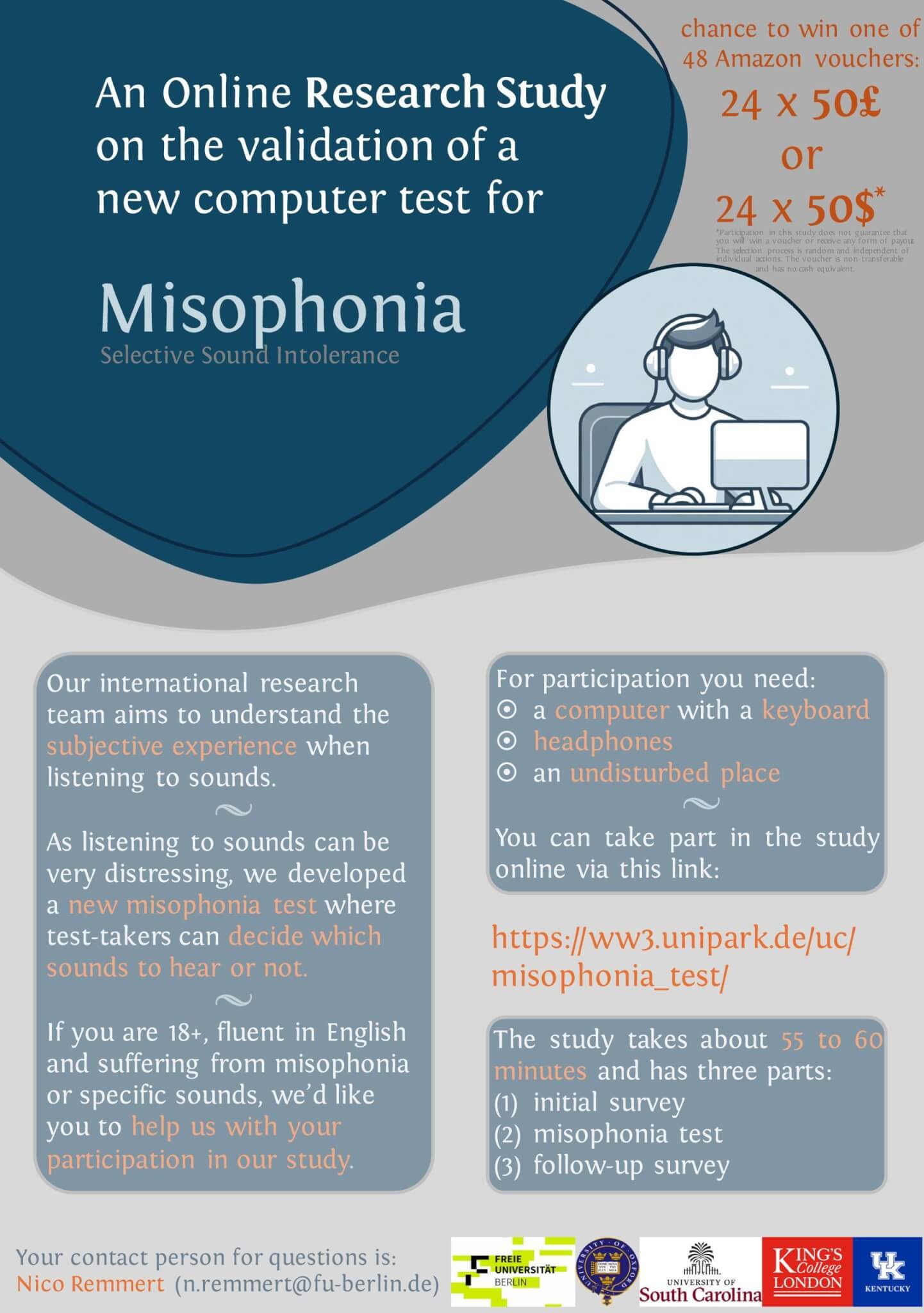
Yes, there is a misophonia test available to help identify and understand this condition better. It’s a common struggle for those with misophonia to face trigger sounds in their everyday lives. This test can provide valuable insights and validation for individuals experiencing this sensitivity. By taking the misophonia test, individuals can take an important step towards managing their symptoms and seeking appropriate support. Let’s delve deeper into how this test works and how it can make a difference for those affected by misophonia.

Misophonia Test: Understanding and Coping with Noise Sensitivity
Welcome to our comprehensive guide on misophonia test, a condition that affects people’s sensitivity to certain sounds. If you find yourself feeling distressed or anxious in response to specific noises, you may be experiencing misophonia. In this article, we will delve into what misophonia is, how it can impact daily life, and provide insights on coping strategies. Let’s begin by understanding what misophonia is and how it can be identified through testing.
What is Misophonia?
Misophonia, often referred to as “sound sensitivity syndrome,” is a condition characterized by strong emotional and physical reactions to specific sounds. Common trigger sounds for individuals with misophonia include chewing, slurping, tapping, or breathing. These sounds can evoke feelings of anger, irritability, anxiety, or even a fight-or-flight response in those affected by misophonia.
While misophonia is not yet officially recognized as a distinct psychiatric or medical disorder, it can significantly impact a person’s quality of life and relationships. Understanding one’s sensitivity to certain sounds is crucial in managing misophonia effectively.
Identifying Misophonia: The Misophonia Test
If you suspect that you may have misophonia, taking a misophonia test can help in assessing your sensitivity to trigger sounds. While there is no standardized diagnostic test for misophonia, various questionnaires and assessments can provide insights into your sound sensitivity levels.
Common Components of a Misophonia Test
A typical misophonia test may include questions that inquire about your reactions to specific sounds, the intensity of your emotional responses, and how these reactions impact your daily life. Here are some common components that you might encounter in a misophonia test:
- Rating the intensity of your emotional reactions to trigger sounds (e.g., rage, anxiety, disgust).
- Identifying common trigger sounds that evoke strong responses in you.
- Assessing the physical symptoms you experience in response to trigger sounds (e.g., increased heart rate, sweating).
- Evaluating how trigger sounds affect your relationships and daily activities.
By participating in a misophonia test and honestly answering the questions, you can gain a better understanding of your sensitivity to certain sounds and how misophonia may be impacting your life.
Coping Strategies for Misophonia
Coping with misophonia involves developing strategies to manage and reduce the impact of trigger sounds on your emotional well-being. While there is no definitive cure for misophonia, there are several approaches that can help individuals cope with this condition effectively.
Sound Masking Techniques
One effective way to reduce the impact of trigger sounds is through sound masking techniques. Using white noise machines, earplugs, or headphones to listen to calming music can help drown out trigger sounds and create a more peaceful environment for individuals with misophonia.
Relaxation and Breathing Exercises
Practicing relaxation techniques such as deep breathing, mindfulness, or yoga can help individuals with misophonia manage their emotional responses to trigger sounds. These exercises can promote a sense of calm and reduce anxiety in challenging situations.
Seeking Professional Support
If misophonia significantly interferes with your daily life and relationships, seeking support from a mental health professional or therapist can be beneficial. Cognitive-behavioral therapy (CBT) and counseling can help individuals explore their triggers, develop coping mechanisms, and improve their overall quality of life.
In conclusion, misophonia is a condition that can have a profound impact on individuals’ emotional well-being and daily functioning. By understanding misophonia, taking a misophonia test, and implementing effective coping strategies, individuals can better manage their sensitivity to trigger sounds and improve their quality of life.
If you suspect that you may have misophonia, consider taking a misophonia test and exploring various coping techniques to address your sound sensitivity. Remember, you are not alone in dealing with misophonia, and support is available to help you navigate this condition with resilience and care.
Stay informed, stay empowered, and remember that your well-being matters.
Misophonia – Why common noises drive some people crazy
Frequently Asked Questions
What is the purpose of a misophonia test?
A misophonia test is designed to assess an individual’s sensitivity to specific sounds that can trigger intense emotional and physical reactions. This test helps in diagnosing misophonia, a condition where certain sounds cause strong negative responses in individuals.
How can I take a misophonia test?
You can take a misophonia test online or in-person through specialized healthcare professionals or therapists. These tests usually involve listening to a series of trigger sounds and rating your emotional and physical responses to them.
What are the common trigger sounds in a misophonia test?
Common trigger sounds in a misophonia test include chewing, breathing, pen clicking, keyboard typing, or tapping noises. These sounds are known to evoke intense irritation, anger, anxiety, or discomfort in individuals with misophonia.
Can a misophonia test determine the severity of the condition?
Yes, a misophonia test can help in determining the severity of the condition by evaluating the intensity of the reaction to trigger sounds. Based on your responses during the test, healthcare professionals can assess the degree of sensitivity and impact of misophonia on your daily life.
Final Thoughts
In conclusion, understanding misophonia is crucial for individuals experiencing heightened sensitivity to certain sounds. Taking a misophonia test can help assess the severity of this condition, leading to appropriate treatment and coping strategies. Early identification and management of misophonia can greatly improve quality of life for those affected. If you suspect misophonia may be impacting your daily life, consider seeking professional support and guidance through a misophonia test.