
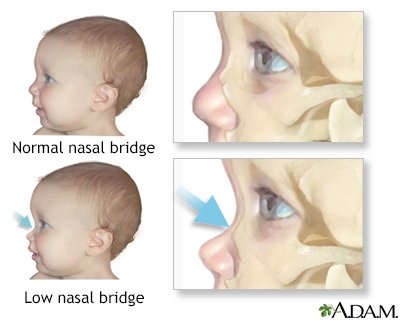
Struggling with glasses that constantly slide down due to a low nose bridge? Don’t fret – you’re not alone. An often overlooked issue, a low nose bridge can pose challenges for finding the right eyewear that fits comfortably and stays in place. But fear not, there are solutions to address this common concern and ensure you find the perfect pair of glasses that sit snugly and securely on your face. Let’s delve into some practical tips and recommendations to conquer the low nose bridge dilemma effortlessly.

Understanding the Low Nose Bridge: Causes, Effects, and Solutions
What is a Low Nose Bridge?
A low nose bridge, also known as a flat nose bridge or depressed nasal bridge, refers to a facial feature where the area between the eyes and the tip of the nose appears flat or less pronounced. This characteristic can vary in degree from person to person and is influenced by various factors.
Causes of a Low Nose Bridge
There are several reasons why someone may have a low nose bridge. Genetics play a significant role, as certain ethnicities are more prone to this feature. Individuals of East Asian, African, or Hispanic descent, for example, are more likely to have a flatter nose bridge compared to those of Caucasian or Middle Eastern descent.
In addition to genetic factors, certain medical conditions such as Down syndrome or fetal alcohol syndrome can also contribute to a low nose bridge. Trauma or injury to the nasal region can impact the nasal structure, leading to a depressed nasal bridge as well.
Effects of a Low Nose Bridge
Having a low nose bridge can affect both the physical appearance and functionality of the nose. From an aesthetic standpoint, individuals with a flatter nose bridge may feel self-conscious about their facial symmetry. This feature can also impact the fit and comfort of eyeglasses or sunglasses, as these accessories may slide down or not sit properly on a lower bridge.
Functionally, a low nose bridge can influence breathing patterns. The nasal structure plays a crucial role in airflow and oxygen intake, and a depressed nasal bridge can sometimes contribute to breathing difficulties or obstructive sleep apnea.
Addressing a Low Nose Bridge
While a low nose bridge is a natural variation in facial anatomy, there are cosmetic and functional solutions available for those who wish to address this feature.
Cosmetic Solutions
Cosmetic procedures such as rhinoplasty, commonly known as a nose job, can help reshape the nasal bridge to create a more defined contour. This surgical option involves altering the bone and cartilage structure of the nose to elevate the bridge and achieve the desired aesthetic outcome.
In cases where surgery is not desired, individuals with a low nose bridge can explore non-invasive options such as makeup techniques. Contouring the nose with makeup products can create the illusion of a higher bridge and enhance facial symmetry.
Functional Solutions
For individuals experiencing breathing difficulties due to a low nose bridge, medical interventions such as nasal dilators or continuous positive airway pressure (CPAP) devices may be recommended. These devices can help improve airflow and alleviate symptoms associated with nasal obstruction.
Embracing Diversity and Individuality
It’s essential to remember that facial features, including the nose bridge, contribute to the unique beauty of each person. While there are options available for those looking to alter their appearance for cosmetic or functional reasons, embracing one’s natural features and celebrating diversity is equally important.
Understanding the causes, effects, and solutions related to a low nose bridge can empower individuals to make informed decisions about their facial aesthetics and overall well-being. By recognizing the beauty in diversity, we can create a more inclusive and accepting society where differences are celebrated rather than scrutinized.
Low nose bridge problem solved! #shorts #youtubeshorts
Frequently Asked Questions
What causes difficulty in finding glasses that fit comfortably for individuals with a low nose bridge?
Individuals with a low nose bridge often struggle to find glasses that fit comfortably due to the lack of support and stability provided by traditional nose pads. This can lead to the glasses slipping down the face, causing discomfort and hindering proper vision correction.
How can the issue of glasses sliding down due to a low nose bridge be addressed?
To address the problem of glasses sliding down on a low nose bridge, specialized glasses with adjustable nose pads, nose pads made of softer materials, or adhesive nose pads can be utilized. These solutions help provide better support, ensuring a more secure and comfortable fit for individuals with a low nose bridge.
Are there specific types of frames that work better for individuals with a low nose bridge?
Frames with nose pads that can be adjusted or molded, as well as frames with saddle bridges, are often better suited for individuals with a low nose bridge. These features allow for a customized fit that accommodates the unique structure of a low nose bridge, improving comfort and stability.
Final Thoughts
In conclusion, a low nose bridge can present challenges when finding comfortable and well-fitting glasses. Individuals with this feature should seek adjustable nose pads or frames with a keyhole bridge design for better support. Understanding your facial features and selecting suitable eyewear can enhance comfort and confidence. Embrace your unique characteristics and explore different options to find the perfect fit for your low nose bridge. Remember, comfort and style should go hand in hand when choosing glasses.