
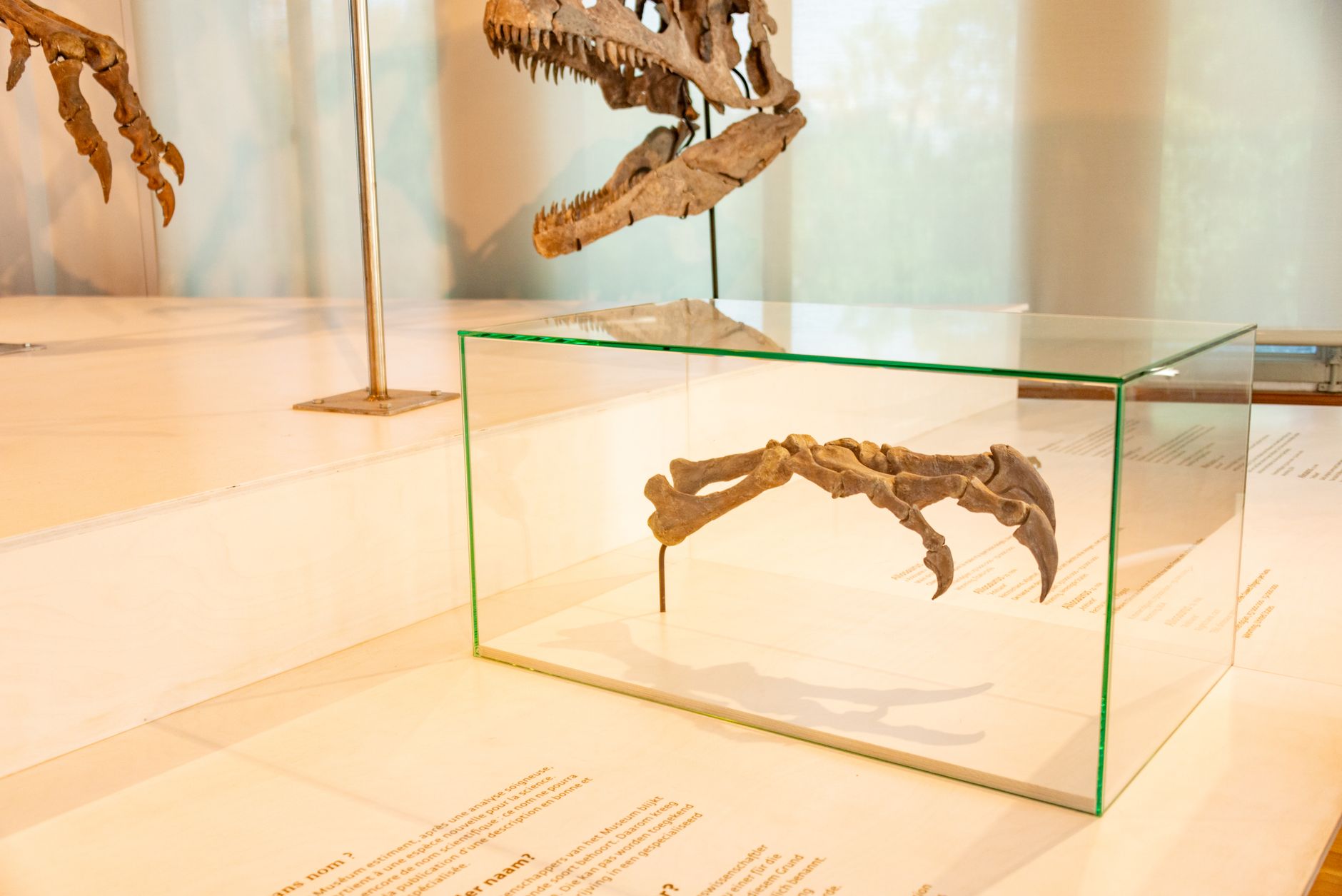
The giant claw dinosaur discovered in China has shocked paleontologists and enthusiasts alike. This remarkable find sheds light on the diversity of dinosaur species.
What is the Giant Claw Dinosaur?
The recent discovery of the giant claw dinosaur in China has taken the paleontological community by storm. This unique species, characterized by its extraordinarily large claws, offers new insights into the diversity of dinosaurs that roamed the Earth millions of years ago.
The giant claw dinosaur, scientifically named Therizinosaurus, is part of a group known as theropods. These dinosaurs are often recognized for their sharp claws and herbivorous diet, which is quite unusual for their lineage. Researchers believe that the giant claws were likely used for:
- Defending against predators
- Foraging for vegetation
- Digging into the ground for roots
Fossils of this dinosaur were unearthed in a remote region of China, and they showcase not only the impressive claws but also the creature’s overall size. The giant claw dinosaur is estimated to have been around 30 feet long, making it one of the largest of its kind. This discovery not only enriches our understanding of dinosaur evolution but also highlights the incredible biodiversity that existed during the Late Cretaceous period.
Significance of the Discovery
The discovery of the giant claw dinosaur has profound implications for our understanding of dinosaur evolution and diversity. This remarkable find sheds light on the adaptations and behaviors of predatory dinosaurs that roamed ancient landscapes.
Researchers believe that the giant claws served multiple purposes, including:
- Hunting: The size and shape of the claws suggest they were used for grasping and tearing prey, indicating a unique hunting strategy that differentiates this species from others.
- Defense: These formidable appendages could have provided protection against rival predators, showcasing a survival mechanism in a competitive environment.
- Social Interaction: The giant claws might have played a role in social behaviors, such as mating displays or establishing dominance among peers.
Furthermore, this discovery adds to the growing body of evidence that challenges traditional views of dinosaur anatomy and behavior. The giant claw dinosaur highlights the incredible diversity that existed among prehistoric creatures, prompting scientists to re-evaluate existing classifications and evolutionary pathways.
Overall, this remarkable find not only enriches our knowledge of the past but also inspires curiosity about the ecological dynamics of the Mesozoic era.
How Giant Claws Evolved
The evolution of the giant claw dinosaur is a fascinating journey that highlights the adaptability of prehistoric life. As environmental conditions changed, certain species developed unique traits to survive, leading to the emergence of these remarkable creatures.
Researchers believe that the giant claws served multiple purposes, including:
- Hunting: The claws may have been used to grasp and immobilize prey, allowing the dinosaur to secure food more effectively.
- Defense: In a world filled with predators, these formidable appendages could deter potential threats, providing a survival advantage.
- Foraging: The claws might also have played a role in digging or breaking open tough plant materials, giving access to nutrients.
Comparative studies of existing species suggest that similar adaptations can be observed in modern animals, showcasing how evolution can lead to the development of specialized features. The giant claw dinosaur further enriches our understanding of these evolutionary processes, offering insights into how life on Earth has continually adapted over millions of years.
This discovery not only sheds light on the giant claw dinosaur’s specific adaptations but also raises questions about the ecological roles these dinosaurs played in their respective ecosystems.
Paleontological Implications
The discovery of the giant claw dinosaur in China has significant paleontological implications that could reshape our understanding of dinosaur evolution and behavior. Researchers believe this remarkable find may provide insights into the ecological niches occupied by these creatures, particularly concerning their predatory and foraging strategies.
One of the most intriguing aspects of the giant claw dinosaur is its unique adaptations. The size and structure of its claws suggest that this dinosaur may have had specialized feeding habits, possibly preying on tough-shelled creatures or digging for hidden resources. These characteristics raise questions about the evolutionary pressures that led to such adaptations in a prehistoric environment.
Moreover, the giant claw dinosaur’s discovery contributes to the broader understanding of theropod diversity during the Late Cretaceous period. It highlights the rich variety of evolutionary paths that dinosaurs took, showing that their adaptations were not merely a response to size but also to specific ecological roles.
As paleontologists continue to study this fascinating specimen, they anticipate uncovering more about its behavior, habitat, and the evolutionary timeline, further emphasizing the importance of the giant claw dinosaur in the context of dinosaur research.
Photo by Diego F. Parra on Pexels