
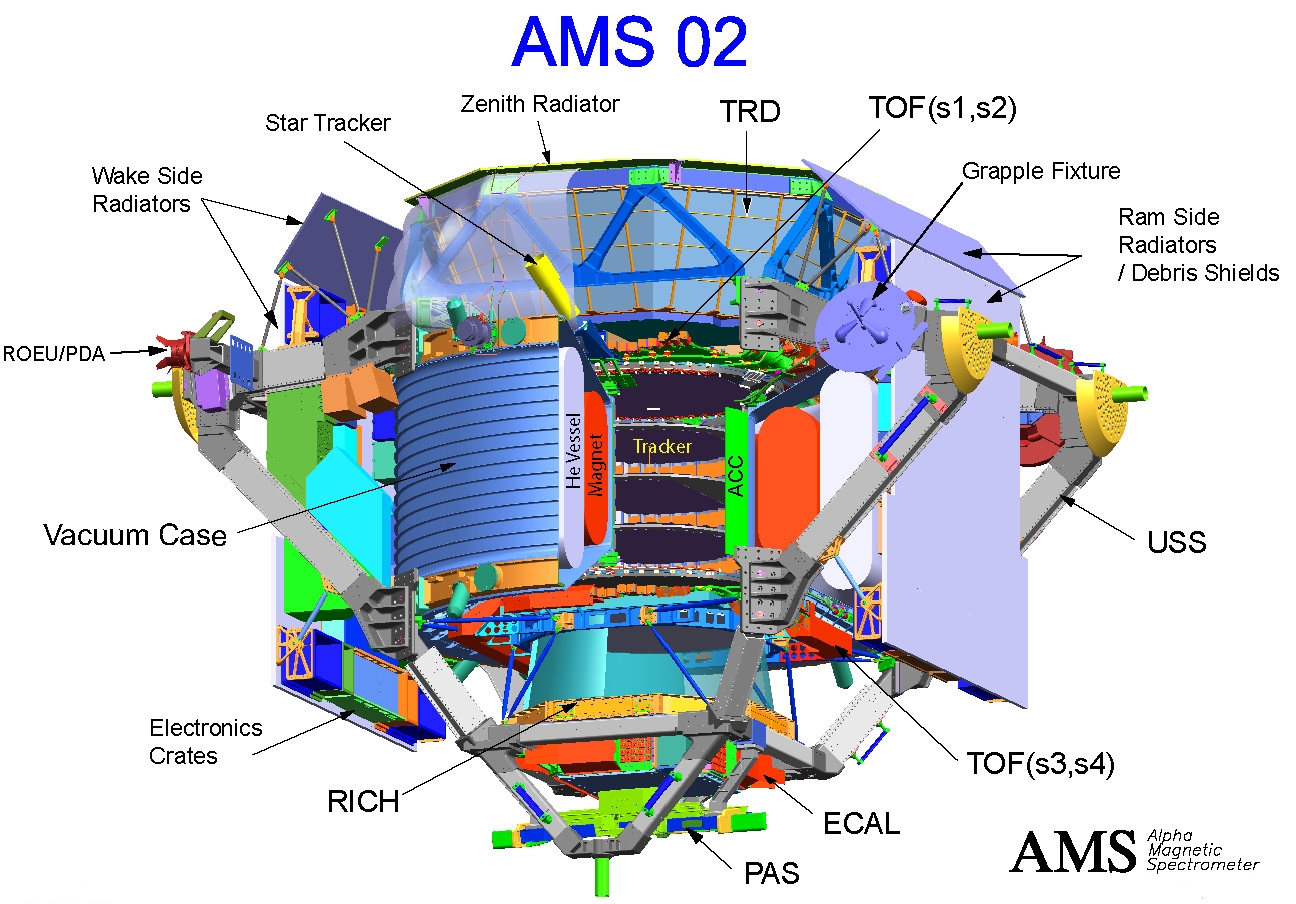
Antimatter particle physics has taken a groundbreaking turn, as researchers cage a single antimatter particle, paving the way for revolutionary advancements in the field.
What is Antimatter?
Antimatter is a form of matter that is composed of antiparticles, which are counterparts to the particles that make up the ordinary matter we encounter every day. In simple terms, for every particle in the universe, there exists an antiparticle with the same mass but opposite charge. For instance, the antimatter equivalent of an electron, which carries a negative charge, is called a positron, possessing a positive charge.
When antimatter comes into contact with matter, they annihilate each other in a burst of energy, as described by Einstein’s famous equation, E=mc². This annihilation process is not only fascinating but also poses significant implications for antimatter particle physics, potentially unlocking new avenues for energy production or advanced propulsion systems in space travel.
Researchers have made significant strides in the study of antimatter, particularly in how to contain and manipulate antimatter particles. Recently, scientists achieved a remarkable feat by trapping a single antimatter particle, paving the way for revolutionary advancements in our understanding of the universe. This breakthrough could help answer fundamental questions about the asymmetry between matter and antimatter, which remains one of the greatest mysteries in physics.
As experiments and technology evolve, the exploration of antimatter will likely expand, offering insights that could reshape our knowledge of the cosmos.
The Significance of the Discovery
The recent discovery of a single antimatter particle confined in a cage marks a significant milestone in the field of antimatter particle physics. This breakthrough not only enhances our understanding of fundamental physics but also opens up possibilities for practical applications that could transform technology as we know it.
One of the key implications of this discovery is its potential to answer longstanding questions about the universe. Scientists have long been puzzled by the apparent imbalance between matter and antimatter. This imbalance could provide insights into the conditions of the early universe and the fundamental forces that govern it.
The ability to capture and study antimatter particles allows researchers to conduct experiments that were previously thought impossible. Some of the anticipated benefits include:
- Advancements in medical imaging: Techniques utilizing antimatter could lead to more precise diagnostic tools.
- Innovations in energy production: Harnessing antimatter could pave the way for new energy sources.
- Enhanced particle physics research: This discovery enables more detailed investigations into the properties of antimatter, leading to further theoretical advancements.
As scientists continue to explore the implications of this discovery, the realm of antimatter particle physics is poised for exciting developments that may reshape our understanding of the universe.
How the Antimatter Particle was Captured
In a groundbreaking achievement, scientists have successfully captured a single antimatter particle, marking a significant milestone in the field of antimatter particle physics. This remarkable feat was achieved by employing advanced techniques that allow researchers to confine antimatter in a controlled environment for the first time.
The process involved the use of sophisticated magnetic and electric fields to create a “trap” where the antimatter particle could be isolated. This trapping mechanism is critical, as antimatter particles naturally annihilate upon contact with matter, making their study incredibly challenging. By preventing this interaction, scientists have opened new avenues for exploration and understanding of antimatter’s properties.
Researchers utilized a technique called Penning trap, which employs a combination of static and dynamic electric and magnetic fields to hold charged particles like positrons. This innovative approach allows for the precise measurement of the particle’s characteristics, which can lead to insights into the fundamental laws of physics.
The implications of capturing an antimatter particle are vast, potentially leading to revolutionary advancements in technology and theoretical physics. As scientists continue to investigate the properties of antimatter, they hope to unlock secrets that could transform our understanding of the universe.
This achievement not only signifies a leap in antimatter particle physics but also encourages further research in the field, paving the way for future discoveries.
Implications for Future Research
The recent breakthrough in antimatter particle physics has opened up new avenues for research that could significantly alter our understanding of the universe. As scientists continue to explore the properties and behaviors of antimatter, several implications for future studies are emerging.
- Understanding Fundamental Forces: The capture of a single antimatter particle allows researchers to investigate the fundamental forces that govern particle interactions. This could lead to insights into why the universe is predominantly composed of matter.
- New Technologies: Advances in antimatter research may pave the way for revolutionary technologies. For example, harnessing antimatter could result in more efficient energy sources or even breakthroughs in propulsion systems for space travel.
- Testing Theories: The findings could provide a testing ground for various theories in physics, including those related to quantum mechanics and relativity. This could enable scientists to probe the limitations of current models.
- Interdisciplinary Research: The implications of antimatter particle physics extend beyond traditional physics. Collaborations with fields such as cosmology, engineering, and even medicine may yield unexpected benefits.
As research progresses, the potential applications and discoveries stemming from this breakthrough will likely shape the future of science for years to come.
Challenges in Antimatter Studies
Despite the recent advancements in antimatter particle physics, researchers continue to face significant challenges in their studies. The complexities associated with the production and containment of antimatter particles are considerable, often making experimentation a daunting task.
- Production Difficulties: Creating antimatter is not a simple process. Currently, facilities like CERN generate only minute amounts of antimatter, making it expensive and time-consuming to produce.
- Containment Issues: Since antimatter annihilates upon contact with regular matter, researchers must utilize sophisticated technology to isolate these particles. Ensuring stable containment remains a formidable challenge.
- Measurement Limitations: Accurately measuring the properties of antimatter particles is crucial for understanding their behavior, yet existing technologies often fall short of providing precise data.
- Funding and Resources: Antimatter research requires substantial funding and resources, which can be a barrier to progress. Securing financial support for long-term projects can be difficult in the competitive scientific landscape.
Addressing these challenges is essential for unlocking the full potential of antimatter particle physics. Researchers are hopeful that continued investment and innovation will lead to breakthroughs that overcome these obstacles and pave the way for new discoveries.
Expert Opinions on the Findings
Experts in the field of antimatter particle physics have expressed excitement about the recent breakthrough in capturing a single antimatter particle. Dr. Emily Carter, a leading physicist at the Institute for Advanced Studies, stated, “This discovery could redefine our understanding of the universe. The ability to isolate an antimatter particle opens up numerous avenues for exploration.”
Another prominent researcher, Dr. Raj Patel, emphasized the potential applications of this finding. “With this technology, we can investigate fundamental questions about the asymmetry between matter and antimatter, which has puzzled scientists for decades,” he noted. He further added that understanding these differences could lead to innovative advancements in energy production and storage.
Not all reactions have been purely optimistic. Dr. Lisa Chen, a theoretical physicist, cautioned that while the breakthrough is significant, challenges remain. “We must navigate the complexities of antimatter interactions before we can fully harness its potential,” she commented. She believes that ongoing research is crucial to ensure that the implications of this discovery are thoroughly understood.
Overall, the consensus among experts is that this breakthrough in antimatter particle physics marks a pivotal moment in scientific research, one that could influence numerous fields, from cosmology to practical applications in technology.
Conclusion and Future Directions
As scientists continue to unravel the mysteries of antimatter particle physics, the recent breakthrough marks a significant milestone in our understanding of the universe. The successful capture of an antimatter particle has not only provided insights into fundamental physics but also opened new avenues for research and exploration.
The implications of this discovery are profound. Researchers are optimistic that further studies could lead to innovative technologies, potentially revolutionizing fields such as energy production and medical imaging. The ability to manipulate and study antimatter could also enhance our understanding of the asymmetry between matter and antimatter, a question that has puzzled physicists for decades.
However, challenges remain in the study of antimatter. The difficulty in producing and containing antimatter particles requires sophisticated technology and immense resources. Moving forward, collaboration between international research teams will be essential to overcome these obstacles.
Experts in the field emphasize the importance of sustained investment in antimatter research. With continued dedication, the next decade could witness breakthroughs that redefine our understanding of the universe. The journey into antimatter particle physics is just beginning, and the scientific community is eager to explore the potential that lies ahead.
As we look to the future, the excitement surrounding this discovery serves as a reminder that the pursuit of knowledge is an ever-evolving journey, with each breakthrough paving the way for the next.
By RWTH Aachen via Openverse
Where this came from
Related stories
Xbox layoffs news: What’s the real impact on employees? · I’m Game OTT Release: Best Proven Streaming Options · Villion Release Date: The Best News for Switch Fans!