
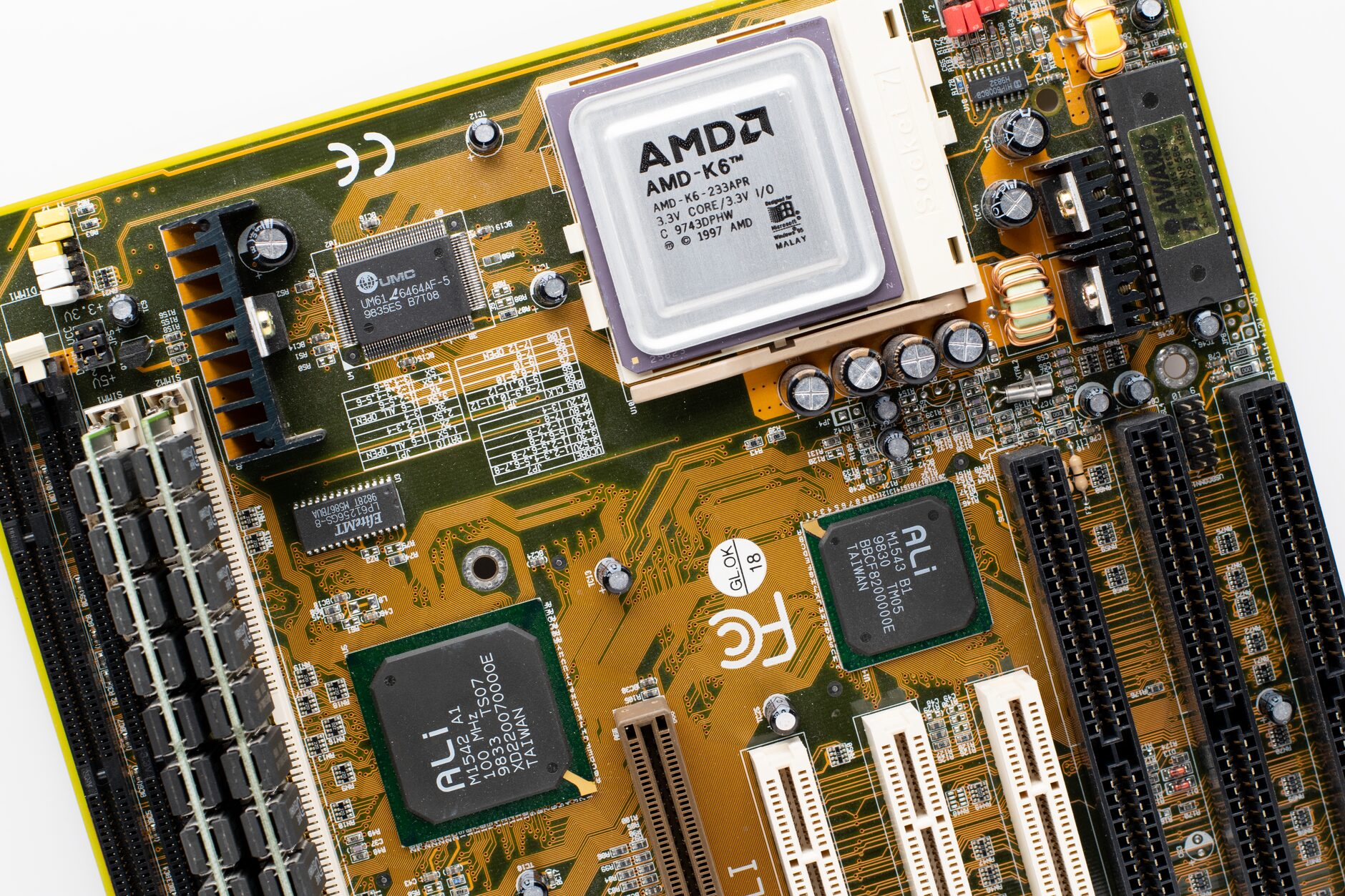
AMD chip cycle is causing significant concern among customers as the company shifts costs onto them. Wall Street seems to overlook the implications, focusing instead on broader market trends.
Understanding the AMD chip cycle
The AMD chip cycle has become a focal point for both investors and customers alike, as the company’s recent decisions have begun to reveal their impact. Understanding this cycle is essential for grasping the current landscape of the semiconductor industry.
Historically, AMD has experienced fluctuations in demand for its chips, often tied to product launches and technological advancements. These cycles can significantly affect pricing and availability, leading to shifts in customer sentiment.
Key factors contributing to the current AMD chip cycle include:
- Product Innovation: New generation chips often drive consumer interest and sales.
- Market Competition: Rival companies like Intel and NVIDIA influence AMD’s strategies and pricing.
- Supply Chain Issues: Global disruptions can lead to shortages, impacting customers directly.
- Pricing Strategies: AMD’s pricing adjustments can affect market perception and customer loyalty.
As Wall Street looks past these cycles, customers may feel the brunt of AMD’s decisions, leading to frustration and uncertainty in the marketplace.
Customer reactions to AMD’s pricing changes
As AMD navigates its chip cycle, customers are expressing growing concerns over the company’s recent pricing changes. Many feel that the burden of increased costs is being unfairly placed on them, leading to frustration among both consumers and industry professionals.
Customers have taken to social media and forums to voice their dissatisfaction, highlighting several key issues:
- Increased Prices: Many users report significant price hikes on AMD products, making them less accessible.
- Perceived Value: Some customers feel that the performance improvements do not justify the higher prices, diminishing their loyalty to the brand.
- Product Availability: The combination of rising costs and limited stock has created uncertainty, leaving customers feeling neglected.
- Comparisons with Competitors: Customers often compare AMD’s pricing strategies with those of rival companies, leading to negative sentiments about the current situation.
With the AMD chip cycle in full effect, many are questioning the company’s long-term strategy and its impact on customer trust and satisfaction.
Wall Street’s perspective on AMD
Wall Street’s perspective on the AMD chip cycle has been a topic of much debate among investors and analysts. Despite the challenges faced by AMD, many believe that the company’s long-term strategy will yield positive results. Analysts have pointed out that the company is navigating a particularly turbulent phase, where rising prices and supply chain issues are affecting customers directly.
According to a recent report, investment firms are split on their outlook for AMD. Some are optimistic, citing the potential for future innovations and market growth, while others express concern over the immediate financial implications for consumers. Many analysts argue that AMD’s decision to pass costs onto customers may alienate its user base, leading to a decline in sales over the short term.
Furthermore, investors are closely monitoring the performance of AMD in relation to its competitors. As AMD navigates this chip cycle, the pressure is on to deliver not only innovative products but also pricing strategies that will retain customer loyalty. The consequences of these decisions will ultimately shape AMD’s position in the semiconductor market moving forward.
Future of the semiconductor industry
The future of the semiconductor industry appears uncertain as companies like AMD navigate a challenging chip cycle. With increasing competition and evolving technology, the landscape is shifting rapidly. Analysts suggest that AMD’s strategic decisions will significantly shape customer experiences and market dynamics.
Many industry experts emphasize the importance of innovation to remain competitive. Emerging technologies such as artificial intelligence and machine learning are driving demand for more powerful chips. In response, AMD must focus on enhancing performance while managing costs effectively.
As AMD continues its evolution, customers may experience fluctuating prices and inconsistent availability. This unpredictability can lead to frustration among users who rely on AMD products for their computing needs. Additionally, customers may find themselves questioning the long-term viability of their investments.
- Increased competition from rivals could further complicate AMD’s position.
- Potential shifts in consumer preferences may also impact sales and production.
- Long-term strategies will be crucial for maintaining customer loyalty.
In conclusion, the future of the semiconductor industry will heavily depend on how AMD navigates its ongoing chip cycle, balancing innovation with customer satisfaction.
The recent analysis highlights how the AMD chip cycle has led to significant delays in product availability for consumers. As a result, the AMD chip cycle is causing frustration among customers who are eager to upgrade their systems.
Photo by Nicolas Foster on Pexels