
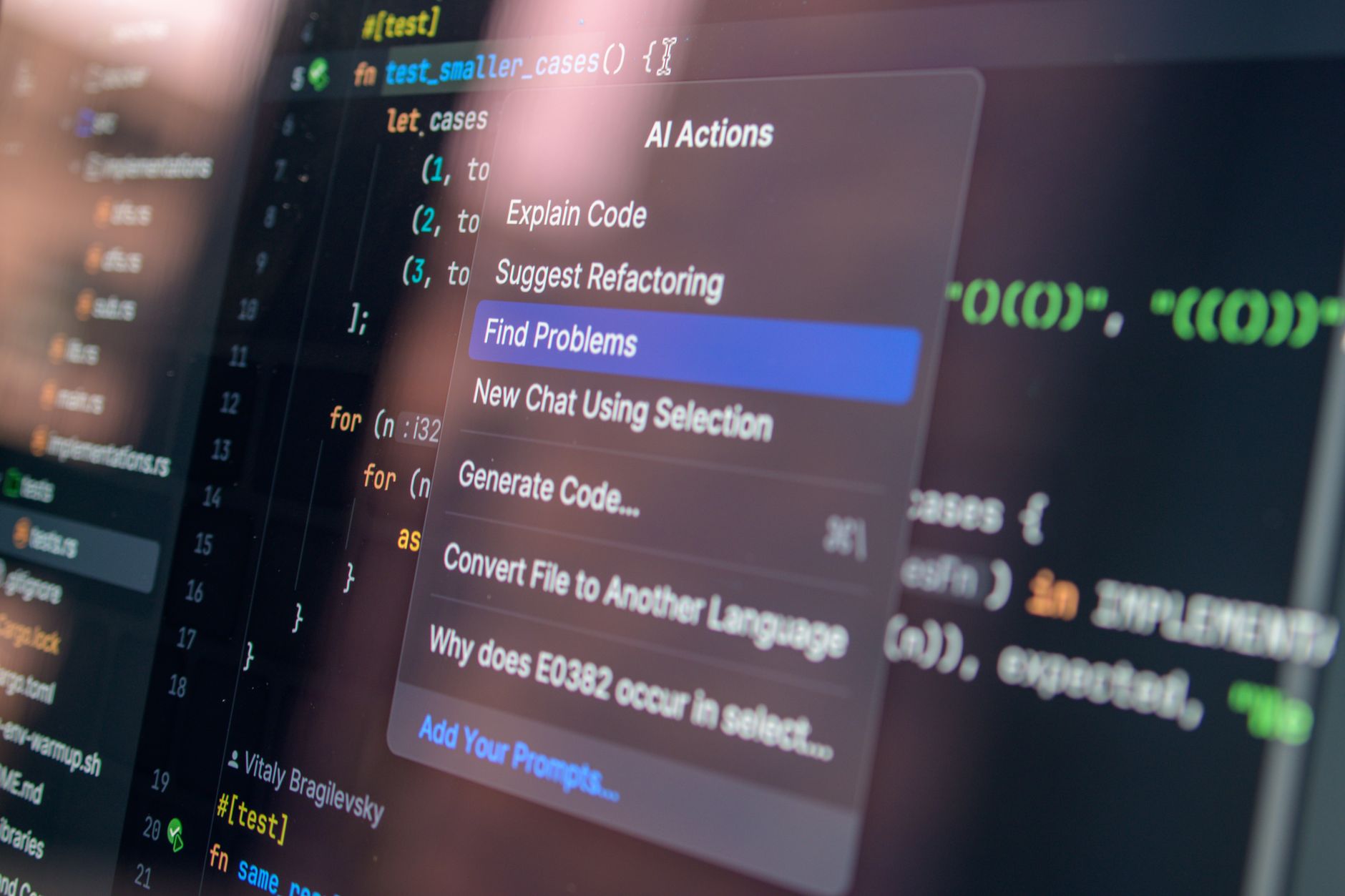
AI vulnerability solutions are at the forefront of cybersecurity advancements. OpenAI has launched the Daybreak Red Team and Defense Factory to address and fix vulnerabilities using AI technology.
What is the Daybreak Red Team?
The Daybreak Red Team is an innovative initiative launched by OpenAI aimed at addressing vulnerabilities in artificial intelligence systems. This dedicated team employs a range of strategies to identify and mitigate potential weaknesses that could be exploited by malicious actors. By leveraging cutting-edge technologies and methodologies, the Daybreak Red Team is committed to enhancing the security of AI applications.
Comprised of experts in AI security, the team uses a proactive approach to uncover vulnerabilities before they can be misused. The efforts of the Daybreak Red Team are part of OpenAI’s broader strategy to develop robust AI vulnerability solutions that not only protect their systems but also set industry standards for safety and reliability.
- Collaboration: The team works closely with external security researchers and industry partners to share insights and findings.
- Continuous Improvement: Regular assessments and simulations are conducted to stay ahead of emerging threats.
- Education: The Daybreak Red Team emphasizes the importance of educating users and developers about potential vulnerabilities.
Through these efforts, the Daybreak Red Team aims to create a safer AI ecosystem, ensuring that advancements in artificial intelligence do not compromise security. By focusing on comprehensive vulnerability solutions, OpenAI is setting a precedent for responsible AI development.
Understanding the Defense Factory
The Defense Factory represents a groundbreaking approach to addressing AI vulnerabilities. Designed by OpenAI, this initiative is dedicated to identifying and mitigating risks associated with artificial intelligence systems. By leveraging advanced techniques and methodologies, the Defense Factory aims to create a robust framework that enhances the security of AI applications.
At the core of the Defense Factory’s mission is the integration of collaborative efforts between researchers, engineers, and the Daybreak Red Team. This synergy facilitates a comprehensive understanding of potential threats while also promoting innovative solutions. The Factory operates on several key principles:
- Proactive Assessment: Regular evaluations of AI systems to identify vulnerabilities before they can be exploited.
- Real-time Solutions: Developing and deploying immediate fixes to counteract detected vulnerabilities in AI algorithms.
- Collaboration: Engaging with external experts and stakeholders to exchange knowledge and enhance overall security measures.
- Continuous Improvement: Adopting an iterative approach to improve systems based on feedback and emerging threats.
Through these strategies, the Defense Factory is at the forefront of creating AI vulnerability solutions that not only protect existing technologies but also foster a safer environment for future innovations in artificial intelligence.
How AI is Used to Fix Vulnerabilities
Artificial Intelligence (AI) is revolutionizing the way vulnerabilities are identified and mitigated in software systems. By leveraging advanced algorithms and machine learning techniques, organizations can proactively address potential security risks before they can be exploited.
One of the most effective methods employed is automated vulnerability scanning. AI systems can analyze vast amounts of code at unprecedented speeds, identifying weaknesses that human testers might overlook. This capability significantly reduces the time required for vulnerability assessments and enhances overall security posture.
In addition to scanning, AI vulnerability solutions also utilize anomaly detection. By establishing a baseline of normal behavior within a system, AI can quickly recognize unusual activities indicative of a security breach. This allows for a prompt response to potential threats, minimizing damage and downtime.
Furthermore, AI is instrumental in threat intelligence. Machine learning models can analyze data from various sources, such as social media and dark web forums, to predict emerging threats and vulnerabilities. This proactive approach helps organizations stay ahead of cybercriminals.
In summary, the integration of AI into vulnerability management not only streamlines the detection process but also enhances the effectiveness of mitigation strategies. By employing these innovative techniques, companies can better safeguard their systems against evolving threats.
The Importance of Cybersecurity in AI
As artificial intelligence continues to evolve, the importance of cybersecurity in AI cannot be overstated. With the integration of AI into various sectors, the potential for vulnerabilities increases, making it crucial to address these risks proactively. Organizations must develop robust AI vulnerability solutions to safeguard their systems and data.
Cybersecurity in AI is essential for several reasons:
- Data Protection: AI systems often handle sensitive information, and a breach can lead to significant data loss and privacy violations.
- Operational Integrity: Ensuring that AI systems function correctly is vital, as any vulnerabilities can disrupt operations and lead to erroneous outcomes.
- Reputation Management: A security breach can damage an organization’s reputation, leading to loss of trust among clients and stakeholders.
- Regulatory Compliance: Many industries are subject to regulations regarding data security, making it imperative for organizations to implement effective cybersecurity measures.
To combat these challenges, strategies such as those employed by the Daybreak Red Team and the Defense Factory can be instrumental. By focusing on proactive measures and leveraging AI, organizations can create resilient systems that not only detect vulnerabilities but also mitigate potential threats before they escalate.
Recent Trends in AI Security
Recent trends in AI security highlight the growing need for effective AI vulnerability solutions. As artificial intelligence continues to evolve, so too do the threats it faces. Security experts are now focusing on innovative strategies to combat these vulnerabilities.
One significant trend is the integration of AI into security protocols. Organizations are increasingly employing machine learning algorithms to predict and identify potential threats before they can be exploited. This proactive approach allows for real-time monitoring and rapid response to incidents, significantly enhancing security measures.
Additionally, collaboration among tech companies has become more prevalent. Initiatives like the Daybreak Red Team from OpenAI represent a collective effort to address vulnerabilities in AI systems. By bringing together experts from various domains, these teams can leverage their diverse skill sets to develop comprehensive solutions.
Investments in research and development are also on the rise. Companies are dedicating resources to explore new methodologies for vulnerability assessment and mitigation. This includes utilizing advanced techniques such as adversarial training to strengthen AI models against potential attacks.
As the landscape of AI security continues to change, staying ahead of threats is crucial. By focusing on these recent trends, organizations can better prepare themselves to implement effective AI vulnerability solutions and safeguard their systems.
OpenAI’s Approach to Vulnerability Management
OpenAI has developed a comprehensive approach to vulnerability management that emphasizes proactive measures and continuous improvement in AI security. By utilizing a combination of innovative strategies and advanced technologies, OpenAI aims to enhance the resilience of its AI systems against potential threats.
At the core of OpenAI’s strategy is the collaboration between its Daybreak Red Team and the Defense Factory. This partnership fosters a culture of security by integrating vulnerability detection and mitigation into every phase of the AI development lifecycle. The Daybreak Red Team conducts rigorous testing and ethical hacking exercises to identify potential weaknesses, while the Defense Factory implements effective solutions to address these vulnerabilities.
Key elements of OpenAI’s approach include:
- Proactive Identification: Continual scanning for vulnerabilities ensures that potential issues are identified before they can be exploited.
- Rapid Response: The integration of AI tools allows for swift remediation of vulnerabilities, significantly reducing the window of exposure.
- Community Collaboration: OpenAI actively engages with external experts and the cybersecurity community to share knowledge and improve overall security practices.
By focusing on these proven strategies, OpenAI is setting a benchmark for AI vulnerability solutions, ensuring the safety and integrity of its systems in an increasingly complex digital landscape.
Future of AI in Cyber Defense
The future of AI in cyber defense is poised for significant transformation as organizations increasingly recognize the importance of AI vulnerability solutions. These solutions not only enhance security measures but also streamline the processes involved in identifying and mitigating risks.
Anticipated advancements in AI technology will lead to the development of more sophisticated algorithms capable of predicting potential vulnerabilities before they are exploited. This proactive approach is crucial in an era where cyber threats evolve rapidly.
Key strategies that are likely to shape the future of AI in cybersecurity include:
- Automated Threat Detection: Utilizing machine learning to analyze vast datasets for unusual patterns that may indicate a security breach.
- Real-time Vulnerability Scanning: Implementing AI systems that continuously monitor networks and applications to identify weaknesses instantaneously.
- Adaptive Response Mechanisms: Developing AI systems that can learn from past incidents to improve response strategies and reduce the impact of future attacks.
- Enhanced Collaboration: Facilitating partnerships between AI developers and cybersecurity experts to create more effective vulnerability solutions.
As these strategies are adopted, the integration of AI in cyber defense will not only fortify organizational security but also foster a culture of resilience against emerging threats.
Implementing AI vulnerability solutions requires a proactive approach to identify and mitigate risks effectively. Organizations can benefit from proven strategies from OpenAI that enhance their AI vulnerability solutions and safeguard their systems.
Photo by Daniil Komov on Pexels