
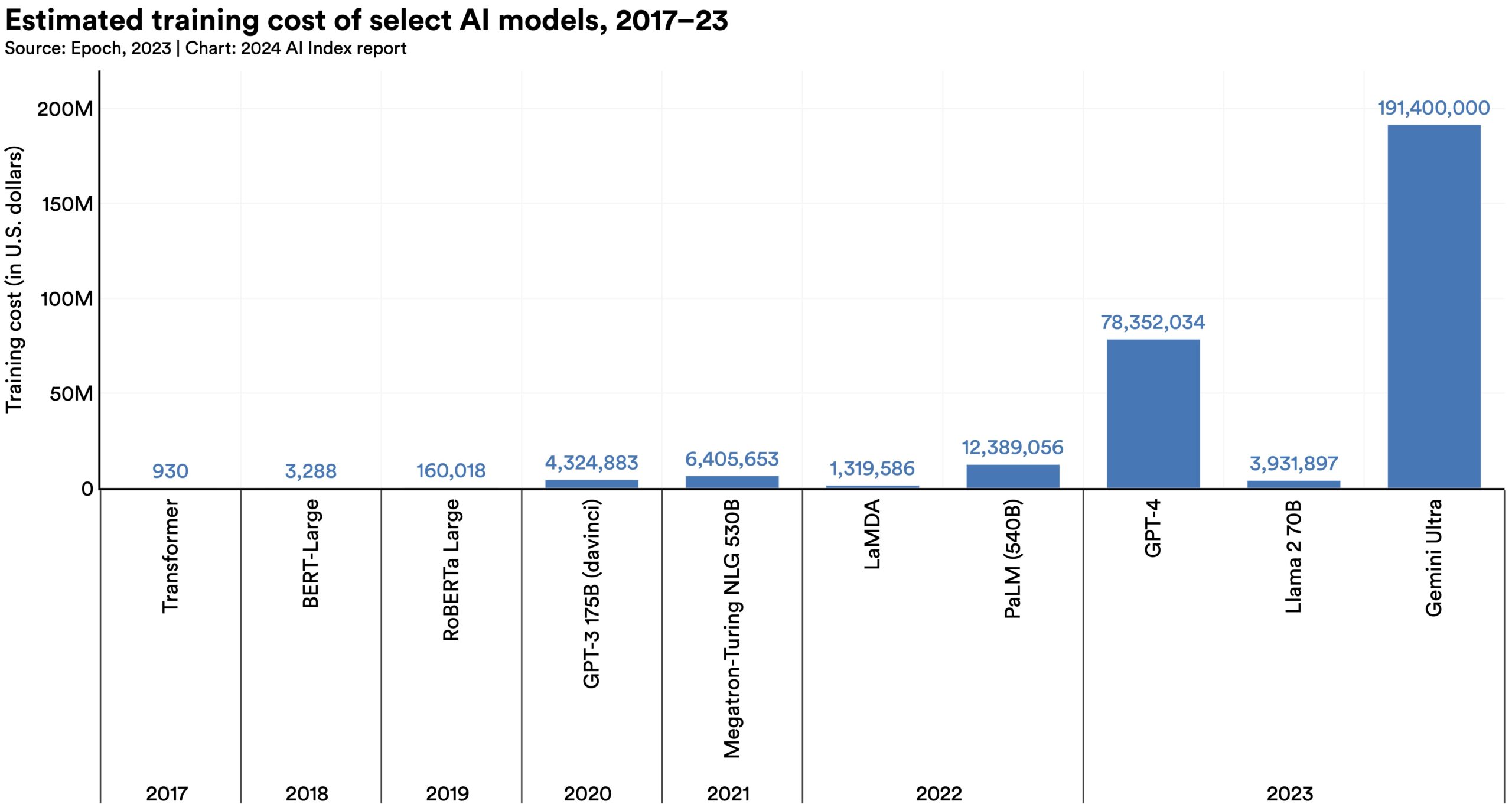
AI models are revolutionizing the way we approach technology and innovation. In this article, we explore the latest advancements and their impact on various sectors.
Understanding AI Models
Artificial intelligence has become a cornerstone of modern technology, with AI models playing a crucial role in various applications. Understanding these models is essential for leveraging their full potential. At their core, AI models are algorithms designed to perform tasks that typically require human intelligence, such as recognizing patterns, making decisions, and predicting outcomes.
There are several types of AI models, each with its strengths and weaknesses. Some of the most common types include:
- Neural Networks: These models mimic the human brain’s structure, making them particularly effective for tasks involving image and speech recognition.
- Decision Trees: These models utilize a tree-like graph of decisions and their possible consequences, making them easy to interpret and implement.
- Support Vector Machines: These are used for classification tasks, optimizing the boundary between different classes of data.
As AI technology continues to evolve, understanding the various AI models and their applications becomes increasingly important. Engineers and developers must stay informed about the latest advancements to ensure they can effectively harness the power of these models in real-world scenarios. By recognizing the strengths and limitations of different models, practitioners can make informed choices and drive innovation in their fields.
The Impact of AI on Industries
The integration of AI models across various sectors has transformed operational frameworks and enhanced decision-making processes. Industries are rapidly adopting these technologies to remain competitive and efficient.
In healthcare, AI models are revolutionizing patient care by enabling precise diagnostics and personalized treatment plans. For instance, predictive analytics help in identifying potential health risks, allowing for timely interventions.
In finance, AI-driven algorithms analyze vast datasets to identify trends and patterns that inform investment strategies. This not only boosts profitability but also enhances risk management practices.
The retail sector is also experiencing a significant shift due to AI. Machine learning algorithms personalize shopping experiences, optimize inventory management, and improve supply chain logistics. Customers benefit from tailored recommendations, resulting in increased satisfaction and loyalty.
Moreover, in manufacturing, AI models are streamlining production processes. Automation and predictive maintenance reduce downtime and enhance productivity, ultimately driving down costs.
However, the implementation of AI models comes with challenges, including ethical considerations and the need for robust data governance. Companies must navigate these complexities to harness the full potential of AI while ensuring transparency and accountability.
As industries continue to evolve, the impact of AI will only grow, shaping the future of work and driving innovation across the globe.
Top Strategies for Implementing AI
As organizations increasingly integrate AI models into their operations, it is essential to adopt proven strategies to ensure successful implementation. Here are some top strategies to consider:
- Define Clear Objectives: Before implementing AI models, organizations should establish clear goals. Understanding the specific problems that AI can solve will lead to more effective model selection and deployment.
- Invest in Quality Data: The success of AI models largely depends on the quality of the data used for training. Organizations should prioritize the collection, cleaning, and management of high-quality data to improve model accuracy.
- Foster a Collaborative Environment: Successful AI implementation requires collaboration between technical teams, domain experts, and decision-makers. By fostering a culture of communication and teamwork, organizations can better align their AI initiatives with business objectives.
- Continuously Monitor and Iterate: AI models are not a set-it-and-forget-it solution. Ongoing performance monitoring and regular updates are crucial to adapt to changing business needs and maintain effectiveness.
- Educate and Train Staff: Providing education and training for employees on AI models and their applications will help demystify the technology and encourage adoption across the organization.
By implementing these strategies, organizations can maximize the potential of AI models and drive meaningful results.
Challenges in AI Development
As the field of artificial intelligence continues to evolve, developers face numerous challenges in creating effective AI models. These challenges can hinder progress and impact the overall success of AI initiatives.
One significant challenge is data quality. AI models rely heavily on large datasets to learn and make predictions. If the data is biased or contains inaccuracies, the performance of the model can be severely compromised. Ensuring high-quality, representative data is essential for building reliable AI systems.
Another obstacle is the complexity of algorithms. Many AI models are based on intricate algorithms that require deep technical expertise. This complexity can lead to difficulties in development and deployment, especially for organizations lacking specialized knowledge. Furthermore, the rapid pace of advancements in AI technology means that keeping up with the latest methodologies is critical.
Additionally, there is the challenge of scalability. As organizations seek to implement AI models across various applications, ensuring that these models can scale effectively without losing performance is vital. This includes addressing computational resource demands and optimizing models for different environments.
Lastly, ethical considerations and regulatory compliance pose significant challenges. Developers must navigate the implications of AI deployment, ensuring that their models adhere to ethical standards and legal frameworks to foster trust and acceptance.
Future Trends in AI Technology
The future of AI technology is poised for remarkable evolution, driven by advancements in AI models and their applications across various sectors. As these models become more sophisticated, several key trends are emerging that will shape their development and deployment.
- Increased Collaboration: AI models will increasingly be developed through collaborative efforts between organizations and research institutions. This partnership will facilitate the sharing of data and resources, leading to more robust and effective models.
- Ethical AI: As AI models become more prevalent, the focus on ethical considerations will grow. Developers will prioritize transparency, fairness, and accountability to ensure that AI technologies benefit society as a whole.
- Personalization: Future AI models are expected to leverage vast amounts of data to create highly personalized experiences for users. This customization will enhance the effectiveness of AI applications in fields like healthcare, education, and entertainment.
- Edge Computing: With the rise of IoT devices, AI models will increasingly be deployed at the edge. This shift will enable real-time data processing and decision-making, reducing latency and improving user experiences.
- Enhanced Natural Language Processing: Improvements in natural language processing capabilities will empower AI models to understand and interact with human language more intuitively, fostering better communication between machines and users.
By Stanford Institute for Human-Centered Artificial Intelligence (permission obtained by email from the AI index research manager) via Openverse