
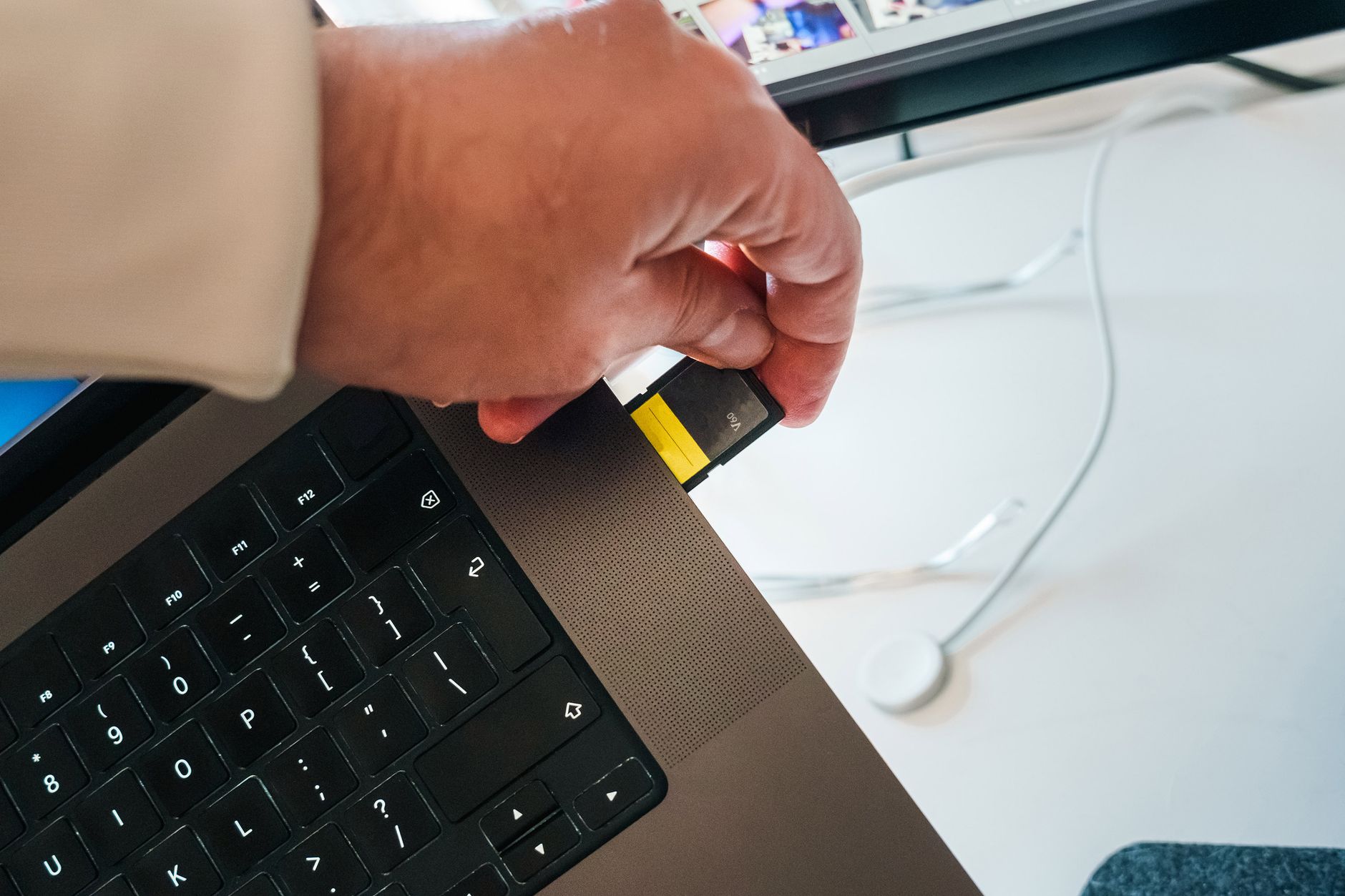
Samsung memory output is set for stability as the company locks in 80% of its production through long-term deals. This strategic move aims to secure its market position in a competitive landscape.
Overview of Samsung’s Strategy
In a strategic move to secure its market position, Samsung Electronics has locked in 80% of its memory output for 2024 through long-term agreements. This proactive approach not only stabilizes revenue but also positions the company to effectively manage fluctuations in demand and supply chain challenges that have affected the semiconductor industry in recent years.
By committing to long-term contracts, Samsung aims to ensure that it can meet the needs of its key clients while also optimizing its production capabilities. This strategy reflects a broader trend within the industry, where manufacturers are increasingly recognizing the importance of securing stable partnerships to mitigate risks associated with market volatility.
Key elements of Samsung’s strategy include:
- Diversification: Expanding its customer base across various sectors, including consumer electronics and data centers.
- Investment: Allocating resources to enhance production efficiency and technological advancements.
- Agility: Maintaining the ability to quickly adapt to changing market conditions.
Overall, Samsung’s focus on securing its memory output positions the company for sustained growth in an increasingly competitive landscape.
Impact on Memory Market
The recent strategy by Samsung Electronics to secure 80% of its memory output for 2024 through long-term deals is set to have a significant impact on the memory market. This approach not only stabilizes Samsung’s production but also influences pricing and availability across the industry.
With this commitment, Samsung aims to manage supply effectively amidst fluctuating demand, which has historically led to volatility in memory prices. The implications are profound:
- Pricing Stability: By locking in contracts, Samsung can help prevent sharp price declines that often accompany oversupply.
- Enhanced Supply Chain Control: Long-term agreements ensure a steady supply for major clients, reducing uncertainty.
- Competitive Edge: This strategy positions Samsung favorably against competitors, potentially increasing its market share.
- Investment in Innovation: Predictable output allows for more focused investments in research and development of next-generation memory technologies.
As Samsung memory output solidifies its foothold in the market, industry stakeholders will be closely monitoring how this will shape the future of memory technology and pricing strategies.
Long-Term Deals Explained
Samsung’s approach to securing its memory output for 2024 relies heavily on long-term agreements with key clients. These deals are designed to stabilize demand and ensure a consistent revenue stream amidst market fluctuations. By locking in 80% of next year’s memory output, Samsung aims to mitigate risks associated with the volatile nature of the semiconductor industry.
Several factors contribute to the effectiveness of these long-term contracts:
- Stability: Long-term agreements provide predictability in sales, allowing Samsung to plan its production schedules more effectively.
- Client Relationships: Building strong partnerships with major customers fosters loyalty and can lead to increased orders in the future.
- Market Influence: By securing a significant portion of its memory output, Samsung positions itself as a dominant player in the memory market, influencing prices and availability.
- Investment Security: These contracts reassure investors about the company’s future profitability, making it more attractive in the eyes of stakeholders.
Overall, Samsung’s memory output strategy through long-term deals not only enhances its market position but also creates a stable foundation for growth in the coming year.
Future Projections for Samsung
Looking ahead to 2024, Samsung’s memory output strategy appears robust and well-planned. The company has successfully locked in 80% of its anticipated memory production through long-term agreements, ensuring stability and predictability in an otherwise volatile market. This proactive approach allows Samsung to navigate the challenges posed by fluctuating demand and supply chain disruptions.
Analysts predict that Samsung’s memory output will not only meet the needs of its current partners but also position the company favorably against competitors. By securing these long-term contracts, Samsung can focus on innovation and enhancing the performance of its memory solutions.
Furthermore, this strategy enables Samsung to allocate resources effectively, investing in research and development to maintain its leadership in memory technology. As the demand for advanced memory products continues to grow, especially in sectors such as artificial intelligence and cloud computing, Samsung’s foresight in locking down its memory output will likely yield significant dividends.
In summary, Samsung’s commitment to long-term deals is a testament to its strategic foresight and dedication to sustaining its competitive edge in the global memory market.
Industry Reactions and Insights
Industry reactions to Samsung’s recent strategy regarding its memory output have been overwhelmingly positive, highlighting the company’s proactive approach in a volatile market. Analysts note that locking in 80% of its memory output through long-term deals provides a significant competitive advantage. This strategy not only stabilizes revenue streams but also strengthens partnerships with key clients.
Many industry experts emphasize the importance of this move in light of fluctuating demand and prices in the memory sector. John Lee, a technology analyst at Market Insights, stated, “Samsung’s commitment to securing its memory output for 2024 positions it as a leader in the memory market. Such foresight could mitigate risks associated with market instability.”
Furthermore, stakeholders are encouraged by the implications for supply chain management. Maria Chen, a supply chain specialist, remarked, “By preemptively locking in contracts, Samsung is ensuring that it can meet demand while also managing production costs effectively.”
As the memory market continues to evolve, it remains to be seen how competitors will respond to Samsung’s memory output strategy and if similar tactics will be adopted across the industry.
To maintain its competitive edge, Samsung memory output will focus on enhancing production efficiency and reducing costs. Additionally, investing in advanced technologies will be crucial for optimizing Samsung memory output in the coming year.
Photo by Jakub Zerdzicki on Pexels