
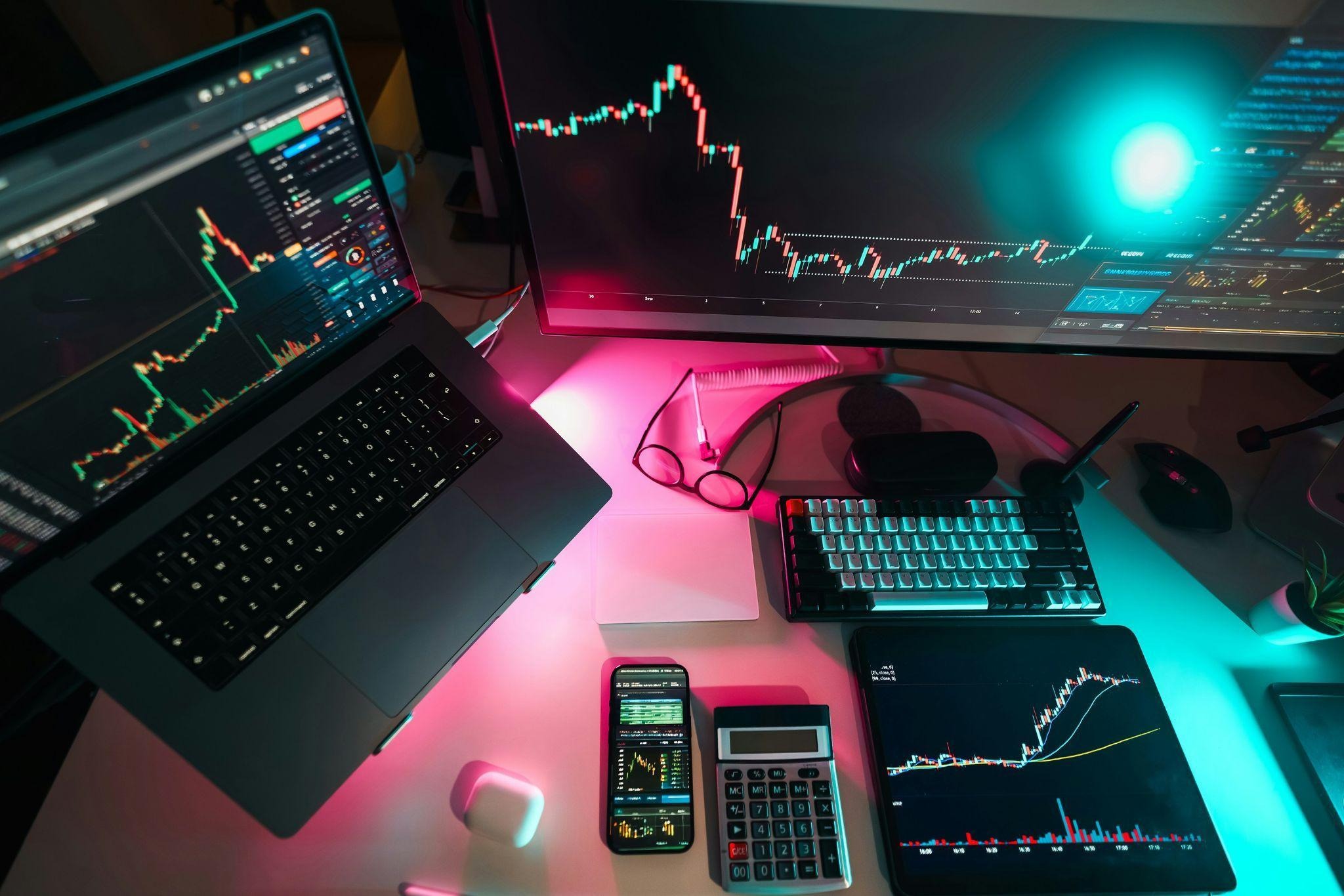
Financial markets continue evolving as technology expands access to global trading opportunities. Traders can now participate in forex, equities, commodities, indices, ETFs, and cryptocurrency CFDs through integrated digital platforms rather than relying on separate providers for each asset class. Access has become easier. Expectations have become higher.
For many market participants, the focus extends beyond opening an account. Execution quality, platform functionality, account accessibility, and market coverage often shape the overall experience. While evaluating available options, traders increasingly assess Flow FX financial services through the lens of usability, market access, and operational efficiency rather than marketing claims alone.
A trading platform becomes part of every decision. Charts, price feeds, account management tools, and execution systems operate continuously behind the scenes. During active market sessions, those elements frequently influence the trading experience more than promotional features displayed during registration.
Why Market Access Alone Does Not Define a Trading Environment
Access is only the starting point. Most platforms can provide exposure to financial markets. The difference often appears later when traders begin interacting with pricing data, charting systems, execution tools, and account management features on a daily basis. Consistency becomes easier to evaluate after trading activity begins.
During periods of elevated volatility, platform performance attracts even more attention. Economic reports, central bank announcements, earnings releases, alongside geopolitical developments can create sudden market movement. At those moments, operational reliability becomes especially important.
The Value of Multi-Asset Market Participation
Different asset classes respond to different catalysts. Currency markets may react to monetary policy. Commodities can respond to supply disruptions. Equity indices often reflect broader economic sentiment. Access to multiple markets creates flexibility without requiring separate trading environments.
Many traders evaluate platforms based on availability across:
- Forex currency pairs
- Global stock indices
- Equity CFDs
- Precious metals and commodities
- Exchange-traded funds
- Cryptocurrency CFD markets
Broader market coverage allows participants to pursue opportunities across different sectors and economic conditions.
Technology Features That Support Trading Decisions
The quality of trading technology often becomes apparent during active market conditions. Fast-moving environments place greater demands on pricing systems, execution infrastructure, and account visibility tools. Several platform features consistently attract attention during the evaluation process.
Real-Time Market Data
Prices change continuously. Accurate market information helps traders evaluate opportunities using current conditions rather than delayed quotations. During major economic announcements, even small timing differences can influence decision-making.
Advanced Charting Tools
Charts serve as a primary source of market analysis. Technical indicators, drawing functions, customizable layouts, and multiple timeframe options allow traders to organize information according to their preferred analytical methods.
Flexible Order Execution
Different trading strategies require different execution methods. Market orders, stop orders, limit orders, alongside pending instructions provide traders with greater flexibility when entering and managing positions.
Cross-Platform Accessibility
Market participation rarely happens from a single location. Desktop terminals, browser-based access, plus mobile applications help traders remain connected while monitoring positions across different devices.
Most traders spend considerable time studying markets. The technology supporting those decisions deserves equal attention.
Risk Management Remains Part of Every Trading Process
Profit potential often receives most of the attention. Risk management deserves the same level of consideration. Every position carries exposure to market movement, regardless of asset class. Because of that, traders frequently look for tools that support structured account oversight.
Without visibility into account metrics, managing exposure becomes more difficult. Effective platforms generally provide monitoring features designed to improve awareness throughout changing market conditions.
Stop-Loss Controls
Markets can move quickly. Protective orders help define risk parameters before a trade develops. This creates a structured approach to position management during periods of volatility.
Margin Visibility
Leverage affects account exposure immediately. Transparent margin information helps traders understand available capital, current utilization, and position requirements before expanding market exposure.
Position Monitoring
Several open trades can create complexity. Centralized dashboards that display balances, active positions, transaction records, plus account performance metrics simplify trade management and review.
Exposure Assessment
Concentration risk is not always obvious. Holding positions connected to similar market themes may increase overall account exposure. Monitoring tools help traders identify allocation patterns more effectively. The strongest trading decisions often begin with better visibility.
Understanding Platform Costs Before Trading
Every trading activity carries associated costs. While market access and technology attract attention, pricing structures remain equally important. Traders generally review costs before funding an account because transparency helps support better planning. Several areas commonly receive attention:
Trading Spreads
Spreads represent a primary transaction expense across many markets. Competitive pricing can influence overall trading costs, particularly for active participants executing trades regularly.
Funding Options
Deposits and withdrawals form part of the broader account experience. Accessible payment methods combined with efficient processing procedures contribute to smoother account management.
Cost Transparency
Clear information reduces uncertainty. When pricing structures are disclosed openly, traders can evaluate platform costs more accurately before committing capital. Unexpected fees rarely improve user experience.
Mobile Trading Has Become an Everyday Requirement
The trading day does not stop when traders leave their desks. Many participants now monitor positions, review charts, and respond to market developments through mobile devices. Accessibility therefore serves a practical function rather than simply adding convenience.
Several mobile capabilities continue influencing platform selection:
- Live account monitoring
- Mobile trade execution
- Real-time pricing access
- Position management tools
- Account notifications
- Secure login systems
Strong mobile functionality helps traders remain connected when markets continue moving throughout the day. Accessibility matters most when opportunities appear unexpectedly.
Security and Reliability Shape Long-Term User Confidence
A trading environment manages more than market access. Account information, transaction activity, funding processes, and execution records all pass through the platform. Security therefore becomes a core consideration rather than an optional feature.
Protected login systems, account verification procedures, encrypted connections, plus transaction monitoring contribute to a safer trading experience. Reliability extends beyond technical infrastructure as well. Consistent platform availability, responsive support systems, and streamlined account management procedures often influence long-term satisfaction. Trust develops through repeated experiences. Not advertisements.
Final Thoughts
Looking for a trading environment designed around market access, execution efficiency, and modern trading tools? For traders evaluating a global trading firm in India, platform stability, multi-asset availability, transparent trading conditions, risk management features, and accessibility often remain key considerations. Within this landscape, Flow FX provides access to forex, equities, commodities, indices, ETFs, and cryptocurrency CFDs through web, desktop, and mobile trading solutions, giving market participants a unified ecosystem built to support engagement across global financial markets.