
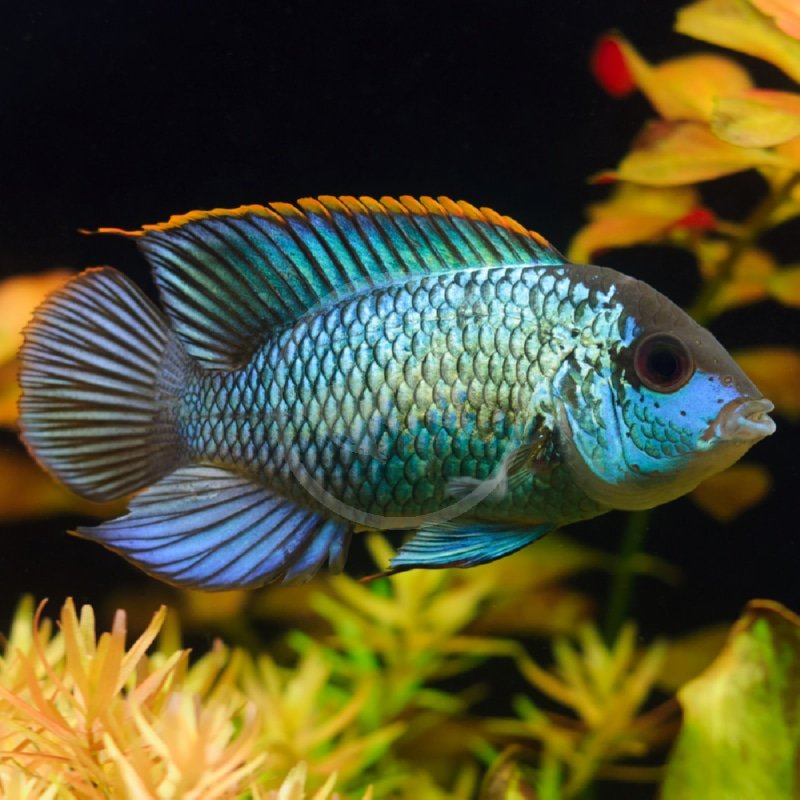
Meet the stunning Blue Acara – a vibrant freshwater beauty that captivates aquarists worldwide. With its striking blue scales and charming personality, the Blue Acara adds a touch of elegance to any aquarium setup. These intelligent cichlids are known for their inquisitive nature and lively behavior, making them a favorite amongst hobbyists of all levels. Dive into the world of the Blue Acara and discover why this enchanting fish is a must-have in your aquatic collection.

The Fascinating World of Blue Acara: A Guide to Caring for these Beautiful Fish
If you are looking for a colorful and captivating addition to your aquarium, look no further than the vibrant Blue Acara! These stunning fish are not only a joy to behold but also a pleasure to care for. In this comprehensive guide, we will delve into the world of Blue Acara, exploring their origins, characteristics, care requirements, and more. Let’s dive in and discover the wonders of these beautiful creatures!
Origin and Background
Blue Acara, scientifically known as Aequidens pulcher, are freshwater fish native to Central and South America. They can be found in slow-moving rivers, streams, and lakes, where they thrive in warm tropical waters. These fish are part of the Cichlidae family, which encompasses a diverse group of fish known for their striking colors and unique behaviors.
Physical Appearance
One of the most striking features of the Blue Acara is its vibrant blue coloration, which gives the fish its name. These fish typically have a deep blue body with iridescent scales that shimmer in the light. Their fins may also display accents of red, yellow, or black, adding to their overall beauty.
Blue Acara have a relatively compact body shape with a slightly elongated oval form. They have large, expressive eyes and a mouth that points slightly upward, giving them a curious and engaging expression. These fish can grow up to 6-7 inches in length, making them a medium-sized fish ideal for medium to large aquarium setups.
Setting Up the Perfect Aquarium
When it comes to creating the ideal habitat for your Blue Acara, there are a few key factors to keep in mind. Firstly, Blue Acara are territorial fish, so it’s essential to provide them with enough space to establish their territories and exhibit natural behaviors. A tank size of at least 30 gallons is recommended for a pair of Blue Acara, with additional space for each additional fish.
Water Quality and Parameters
Maintaining good water quality is crucial for the health and well-being of your Blue Acara. These fish prefer slightly acidic to neutral water conditions, with a pH range of 6.5 to 7.5. The water temperature should be kept between 75-82°F (24-28°C), and regular water changes should be performed to keep ammonia and nitrate levels in check.
Aquascape and Decor
Creating a natural and stimulating environment in your aquarium is important for the overall happiness of your Blue Acara. Provide plenty of hiding spots, such as caves, driftwood, and plants, where the fish can retreat and feel secure. Live plants like Java Fern, Anubias, and Amazon Sword can also help maintain water quality and provide a more natural aesthetic.
Diet and Feeding
Blue Acara are omnivorous fish, meaning they eat a varied diet that includes both plant and animal matter. In the wild, these fish feed on a variety of foods, including small invertebrates, insects, algae, and plant matter. In the aquarium, you can replicate their natural diet by offering a combination of high-quality pellets, flakes, frozen foods, and live foods like bloodworms and brine shrimp.
Feeding Schedule
It’s best to feed your Blue Acara small amounts multiple times a day rather than one large feeding. This mimics their feeding habits in the wild and helps prevent overfeeding and water quality issues. Monitor your fish to ensure they are eating well and adjust their diet as needed based on their activity level and growth.
Behavior and Tankmates
Blue Acara are known for their peaceful temperament, making them suitable for community aquariums. However, they can become territorial, especially during breeding or when establishing their territory. When choosing tankmates for your Blue Acara, opt for peaceful species that can coexist harmoniously with them.
Breeding and Reproduction
Breeding Blue Acara in the aquarium can be a rewarding experience for fishkeepers. These fish are monogamous and form strong pair bonds when breeding. To encourage breeding behavior, provide your Blue Acara with plenty of hiding spots and flat surfaces for spawning, such as rocks or flowerpots. The female will lay eggs, and both parents will care for the fry until they are old enough to fend for themselves.
Health and Common Diseases
Like all fish, Blue Acara are susceptible to certain health issues if their care requirements are not met. Common diseases that can affect Blue Acara include ich (white spot disease), fin rot, and parasites. To keep your fish healthy, maintain good water quality, provide a balanced diet, and monitor them regularly for any signs of illness.
Tips for Maintaining Fish Health
-Regular water testing and quality monitoring
-Quarantine new fish before introducing them to the main tank
-Observe your fish daily for changes in behavior or appearance
-Consult with a veterinarian specializing in fish care if you notice any concerning symptoms
In conclusion, Blue Acara are a delightful addition to any aquarium, bringing beauty, personality, and charm to your underwater world. By understanding their origins, care requirements, behavior, and more, you can provide the best possible environment for these stunning fish to thrive and flourish. Whether you are a beginner or experienced aquarist, the Blue Acara is sure to captivate you with its mesmerizing blue hues and engaging presence. So why wait? Dive into the world of Blue Acara and embark on a journey of discovery and wonder with these magnificent fish!
Electric Blue Acara | Complete Care & Breeding Guide
Frequently Asked Questions
What are the ideal tank conditions for blue acara?
Blue acaras thrive in a tank with a temperature range of 75-82°F, pH level between 6.5-7.5, and soft to moderately hard water. Providing ample hiding spots and a sandy substrate mimicking their natural habitat also enhances their well-being.
Is blue acara a community-friendly fish?
Blue acaras can be community fish if kept with suitable tank mates like peaceful cichlids, tetras, and catfish. Aggressive or territorial fish should be avoided to prevent conflicts in the aquarium.
How often should blue acara be fed?
Blue acaras should be fed twice a day, offering a varied diet that includes high-quality pellets, flakes, frozen or live foods like bloodworms, brine shrimp, and small insects. It’s essential not to overfeed to maintain their health.
Final Thoughts
Blue acaras are stunning freshwater fish that bring vibrancy to any aquarium. Their striking blue coloration and unique behavior captivate enthusiasts worldwide. Keeping blue acaras requires proper care to ensure their well-being and longevity. Overall, blue acaras make a fantastic addition to any aquatic setup, providing beauty and interest to the environment.