
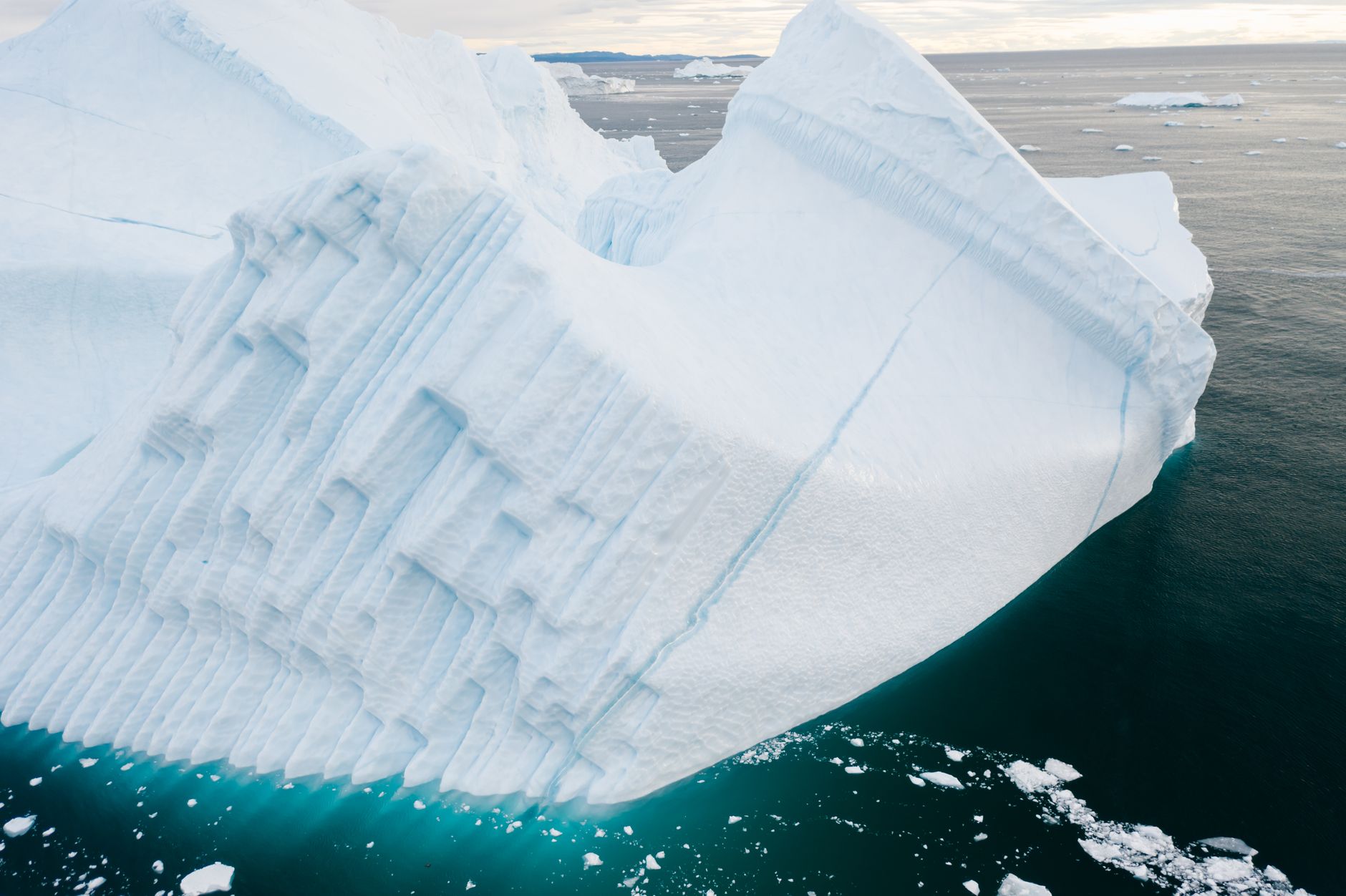
Antarctica rising bedrock has puzzled scientists for years, but new research has finally uncovered the reasons behind this phenomenon. This discovery sheds light on the geological changes occurring beneath the ice.
Understanding Antarctica’s Geological Changes
The recent discovery regarding Antarctica’s rising bedrock has captivated scientists and researchers alike. This phenomenon is indicative of significant geological changes occurring beneath the icy surface. Understanding these changes is crucial for several reasons.
Firstly, the rising bedrock suggests that the region is responding to the weight of ice melting due to climate change. As ice sheets recede, the land is rebounding, a process known as isostatic rebound. This process can have far-reaching implications for global sea levels.
Secondly, the research indicates that the geological mechanisms at play are more complex than previously thought. Scientists are now exploring various factors contributing to this uplift, including:
- Glacial activity
- Ocean currents
- Seismic activity
By studying Antarctica’s rising bedrock, researchers hope to gain insight into the historical climate patterns of the region. This knowledge is essential for predicting future changes and understanding how they may impact the global ecosystem.
The Importance of Bedrock in Climate Studies
The study of Antarctica’s rising bedrock is crucial for understanding the continent’s response to climate change. As the ice sheets melt, the underlying bedrock begins to rise, a phenomenon known as isostatic rebound. This process not only impacts global sea levels but also provides insights into the past climate conditions of our planet.
Researchers have identified several key reasons why studying bedrock in Antarctica is essential:
- Sea Level Rise: As the bedrock rises, it can influence the stability of ice sheets, potentially leading to accelerated melting and increased sea levels.
- Historical Climate Data: The layers of bedrock can reveal information about past climates, helping scientists to predict future changes.
- Tectonic Activity: Understanding the geological shifts in Antarctica can provide clues about tectonic movements and their relationship with climate patterns.
- Ecological Impact: Changes in ice cover and bedrock dynamics can affect local ecosystems, influencing flora and fauna in the region.
Thus, the investigation of Antarctica’s rising bedrock is not merely an academic pursuit but a vital component in addressing global climate issues.
Antarctica rising bedrock: What Scientists Found
Recent research has unveiled significant findings regarding Antarctica’s rising bedrock, shedding light on the geological transformations occurring beneath the icy continent. Scientists have discovered that the bedrock in certain areas is rising at an accelerated rate, which has implications for our understanding of climate change and ice dynamics.
Through a combination of satellite data and ground measurements, researchers identified that the bedrock is rebounding as the massive weight of ice sheets continues to decrease. This phenomenon, known as isostatic rebound, is crucial in determining how ice masses will respond to warming temperatures.
Key findings include:
- Rates of bedrock uplift vary across different regions of Antarctica, indicating localized geological processes.
- Understanding these changes helps predict future sea level rise, as melting ice contributes to global water levels.
- The insights gained may offer clues about the historical climate, aiding in climate model predictions.
As scientists continue to investigate Antarctica’s rising bedrock, their work emphasizes the interconnectedness of geological and climatic systems, underscoring the importance of ongoing research in this critical region.
Implications for Global Sea Levels
The recent discovery of Antarctica rising bedrock has significant implications for global sea levels. As the ice sheets continue to melt due to rising temperatures, understanding the dynamics of the underlying bedrock is crucial for predicting future changes in sea level. Scientists have found that this bedrock is rising faster than previously thought, a phenomenon that could alter sea level projections.
Several factors contribute to this phenomenon:
- Glacial Rebound: As ice melts, the pressure on the bedrock decreases, allowing it to rise gradually. This process, known as isostatic rebound, is occurring at an accelerated pace.
- Impact on Ocean Currents: Changes in sea levels can alter ocean currents, which further influence global climate patterns.
- Feedback Loop: Rising bedrock may also affect the stability of the ice sheets, leading to increased ice loss and further contributing to sea level rise.
In summary, the implications of Antarctica rising bedrock extend far beyond the continent itself, affecting not only coastal regions but also global climate systems. Understanding these changes is essential for developing effective climate adaptation strategies.
How Researchers Made This Discovery
Researchers made the groundbreaking discovery of Antarctica’s rising bedrock through a combination of advanced technologies and extensive fieldwork. Utilizing satellite imagery, they analyzed changes in the region’s surface elevation over time. This method provided a comprehensive view of how the bedrock is responding to climate change.
Additionally, the team conducted ground-penetrating radar surveys to collect detailed data on the subsurface layers. This allowed them to identify and measure the speed at which the bedrock is rising. The integration of these technologies has led to a more nuanced understanding of the geological processes at play beneath the Antarctic ice sheets.
To complement these technological efforts, researchers also gathered ice core samples from various locations across Antarctica. These samples reveal historical climate data, helping to establish a timeline for the current changes in bedrock elevation. This multifaceted approach has proven essential in deciphering the complexities of Antarctica’s rising bedrock and its potential impacts on global sea levels.
The collaboration between geologists, climatologists, and remote sensing experts has been vital in advancing this research, showcasing the importance of interdisciplinary efforts in tackling pressing environmental issues.
Future Research Directions in Antarctica
As scientists continue to unravel the complexities of Antarctica’s rising bedrock, future research directions are becoming increasingly vital. Understanding the mechanisms driving this geological phenomenon could lead to significant advancements in climate science and sea level predictions.
Researchers are now focusing on several key areas:
- Satellite Monitoring: Enhanced satellite technology will provide real-time data on bedrock movement and glacial retreat, allowing for more accurate predictions of changes in the region.
- Ice Sheet Dynamics: Investigating the relationship between the rising bedrock and ice sheet dynamics will be crucial for understanding how these factors interact and contribute to global sea levels.
- Long-term Climate Models: Integrating data from Antarctica’s rising bedrock into climate models will help scientists forecast future environmental changes and their potential impacts on various ecosystems.
- Collaboration and Data Sharing: Collaborative efforts among international research teams will enhance data collection and analysis, promoting a comprehensive understanding of the Antarctic environment.
By focusing on these areas, scientists aim to unlock further secrets of Antarctica and its role in shaping our planet’s climate.
The recent studies on Antarctica rising bedrock have shed light on the geological processes that shape the continent. Researchers are excited about how Antarctica rising bedrock could influence global sea levels in the coming years.
Photo by Mikhail Nilov on Pexels