
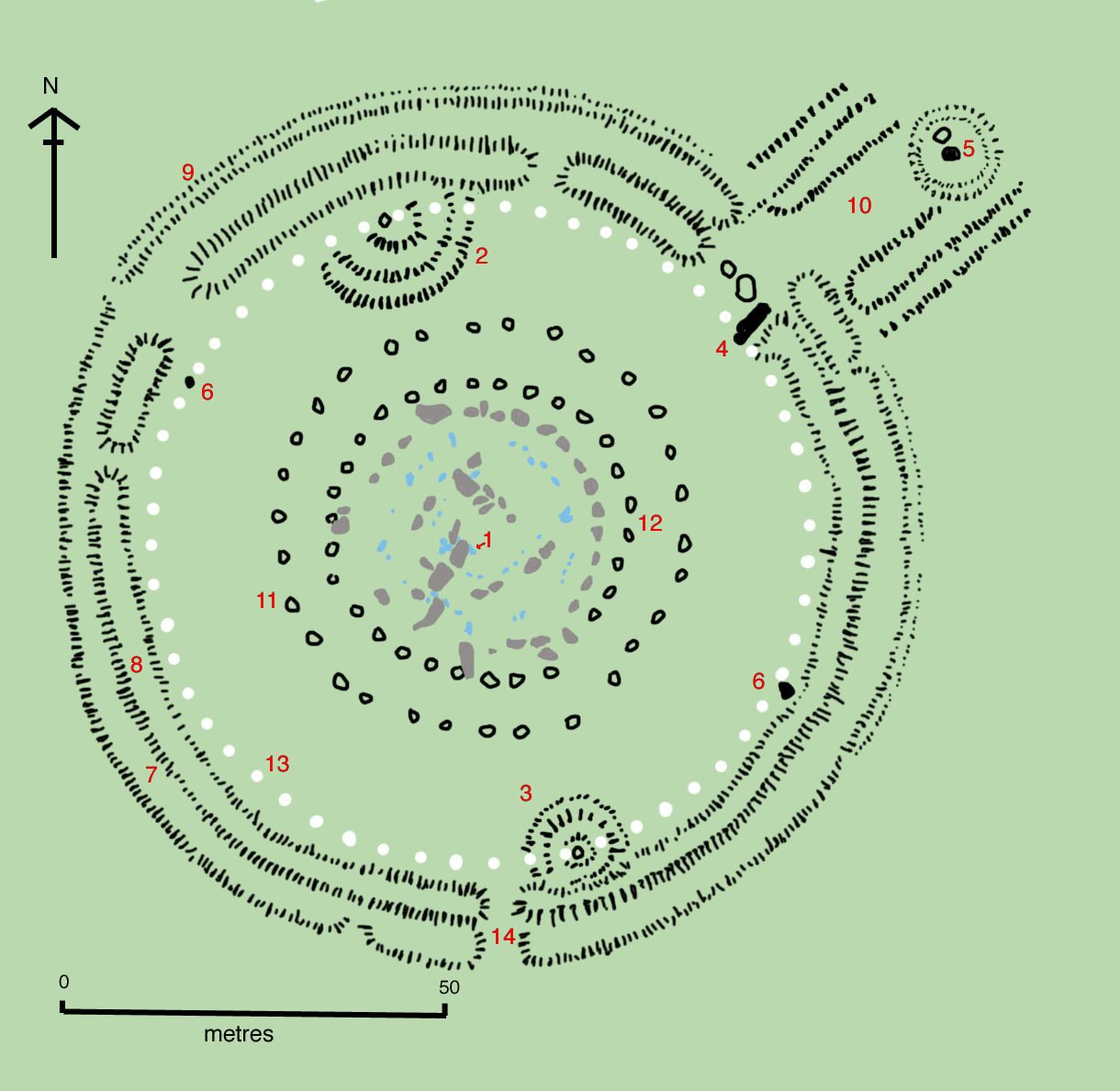
The Stonehenge Altar Stone origin continues to baffle researchers as new discoveries emerge. This iconic stone’s mysterious past raises questions about its true significance and origins.
What is the Stonehenge Altar Stone?
The Stonehenge Altar Stone is a significant component of the prehistoric monument known as Stonehenge, located in Wiltshire, England. This large, flat stone is positioned centrally within the stone circle, serving as a focal point during various ceremonies and rituals believed to have taken place thousands of years ago.
Unlike the more famous sarsen stones that make up the outer circle, the Altar Stone is composed of a different type of rock, specifically a bluish-grey limestone. Its unique characteristics have led researchers to investigate its origins, and the Stonehenge Altar Stone origin remains a captivating subject for archaeologists and historians alike.
Several theories have emerged regarding where the Altar Stone came from, with some suggesting it may have been transported from distant locations, potentially as far as the Preseli Hills in Wales, where similar stone types can be found. This raises intriguing questions about the logistical capabilities of Neolithic people and their motivations for moving such heavy materials over long distances.
In recent studies, scientists have utilized advanced geological techniques to analyze the stone’s composition, further narrowing down the possibilities of its origin. As new data emerges, the mystery surrounding the Stonehenge Altar Stone origin becomes increasingly complex, inviting further exploration into the ancient rituals that may have taken place at this iconic site.
Recent Findings on Stonehenge
Recent studies have provided intriguing insights into the origins of the Stonehenge Altar Stone, a key feature of the ancient monument that has puzzled researchers for decades. The latest findings suggest that this iconic stone may have been transported from significant distances, possibly revealing much about the cultural practices of Neolithic people.
Archaeologists have employed advanced techniques, including isotopic analysis, to trace the stone’s geological composition. This has led to several hypotheses regarding its origin:
- Local Sources: Some experts propose that the Altar Stone could have been quarried from nearby sites within the Salisbury Plain.
- Regional Origins: Others suggest it may have been sourced from further afield, potentially linking it to stones found in the Welsh hills.
- Trade Routes: The possibility that the stone was part of an extensive trade network among prehistoric communities is also a topic of discussion.
These findings have not only deepened the mystery surrounding the Altar Stone’s origin but have also sparked renewed interest in understanding the broader cultural significance of Stonehenge. As research continues, more details are expected to emerge, shedding light on how such monumental structures were built and the significance they held for ancient societies.
Theories About Its Origin
The origin of the Stonehenge Altar Stone has long been a subject of intrigue among historians and archaeologists. Various theories have emerged over the years, each attempting to unravel the mystery surrounding this iconic structure.
- Local Sourcing: Some researchers propose that the Altar Stone was sourced from nearby locations, particularly from the beds of the River Avon. This theory suggests that the stone could have been transported from an easily accessible site, supporting the idea of local craftsmanship.
- Long-Distance Transport: In contrast, other theories suggest that the Altar Stone may have originated from much farther away, possibly even from quarries in Wales. This would imply significant effort in transporting the stone over great distances, indicating its importance in the construction of Stonehenge.
- Cultural Significance: Theories also posit that the choice of the Altar Stone’s origin might have been influenced by its cultural or spiritual significance. Some believe that the stone was chosen for its symbolic meaning, connecting the site to various ancient rituals and beliefs.
- Geological Studies: Recent geological studies have aimed to identify the precise mineral composition of the Altar Stone, providing clues that could lead to its origin. These studies are ongoing, as researchers hope to uncover more about the Stonehenge Altar Stone origin.
As investigations continue, the debate over the true origin remains vibrant, making the Altar Stone a focal point for further exploration.
Importance of Stonehenge in History
Stonehenge, an iconic prehistoric monument located in Wiltshire, England, has captivated the imagination of historians, archaeologists, and tourists alike for centuries. Its significance extends far beyond its imposing structure; it serves as a crucial touchstone in understanding ancient human activity and beliefs.
The importance of Stonehenge in history lies in its function as a ceremonial site, possibly linked to astronomical events. Many researchers believe it was used for rituals, marking the solstices and equinoxes, which played a vital role in the agricultural practices of ancient societies. The alignment of the stones demonstrates advanced knowledge of astronomy, indicative of a sophisticated understanding of the cosmos.
Furthermore, the rediscovery of the Stonehenge Altar Stone origin has added another layer to its historical significance. This particular stone, central to many theories, is believed to have been a focal point for ritualistic practices. Its mystery deepens as studies continue to investigate where it came from, contributing to the broader narrative of Stonehenge as a place of gathering for people across different regions.
As various findings emerge regarding the construction and purpose of Stonehenge, the site remains a symbol of human ingenuity and a testament to the enduring quest for knowledge about our ancestors. Understanding the importance of Stonehenge not only sheds light on the past but also inspires ongoing exploration of its many mysteries.
Archaeological Techniques Used
Archaeologists have employed a range of advanced techniques to unravel the mystery surrounding the Stonehenge Altar Stone origin. These methods have proven essential in understanding the stone’s characteristics and potential sources.
- Geochemical Analysis: This technique involves examining the chemical composition of the Altar Stone to identify its mineral makeup. By comparing these findings with samples from various locations, researchers aim to pinpoint the stone’s origin.
- Petrographic Analysis: Utilizing thin sections of the stone, scientists can study its texture and structure under a microscope. This helps in determining how and where the stone was formed.
- Radiocarbon Dating: Though primarily used for organic materials, radiocarbon dating can help establish a timeline for the stone’s use at Stonehenge, providing context for its historical significance.
- Ground Penetrating Radar (GPR): This non-invasive technique allows archaeologists to survey the site without excavation. GPR can reveal subsurface features and potential quarries related to the Altar Stone.
Combined, these archaeological techniques not only shed light on the Stonehenge Altar Stone origin but also enhance our understanding of prehistoric construction methods and the cultural practices of the time.
Public Interest in Stonehenge
The captivating allure of Stonehenge continues to draw public interest, particularly regarding the enigmatic Stonehenge Altar Stone origin. As one of the most recognizable landmarks in the world, Stonehenge serves as a focal point for both tourists and researchers alike.
In recent years, the Altar Stone has sparked renewed fascination, prompting individuals to seek answers to its many mysteries. This ancient monument not only represents a significant archaeological site but also embodies a rich tapestry of cultural heritage, attracting visitors from all walks of life.
Public engagement has surged through various initiatives aimed at educating people about Stonehenge’s historical and archaeological significance. Community events, interactive exhibits, and online platforms have played a pivotal role in bringing the story of the Altar Stone closer to the public. Many are eager to learn about the latest research and theories surrounding its origin, which remains a topic of debate among experts.
Furthermore, the ongoing investigations into the Altar Stone’s past have fostered a sense of shared curiosity among enthusiasts and scholars. Social media discussions and documentary features have broadened the conversation, making it accessible to a global audience. As more people become aware of the Stonehenge Altar Stone’s mysteries, the quest for understanding its origins continues to deepen, captivating the imagination of many.
Future Research Directions
The ongoing exploration of the Stonehenge Altar Stone origin has opened new avenues for research that could yield further insights into this iconic monument. As scientists piece together the puzzle of its origin, several directions for future studies are emerging.
- Geological Analysis: One promising avenue involves advanced geological techniques to analyze the mineral composition of the Altar Stone. By comparing it with other stones found within the region, researchers aim to pinpoint its exact source.
- Radiocarbon Dating: Implementing radiocarbon dating on associated artifacts could provide crucial context regarding when the Altar Stone was used, potentially clarifying its significance within the timeline of Stonehenge.
- Comparative Studies: Examining similar stone structures across the British Isles may reveal common practices in stone selection and transportation, shedding light on the cultural significance of the Stonehenge Altar Stone.
- Public Engagement: Increasing public interest through educational programs and interactive exhibits could encourage community involvement in ongoing research, fostering a deeper appreciation for Stonehenge and its mysteries.
As researchers continue to delve into these areas, the hope is that we will uncover not only the origins of the Stonehenge Altar Stone but also its role in the broader narrative of prehistoric Britain.
Conclusion: The Ongoing Mystery
The ongoing investigation into the Stonehenge Altar Stone origin continues to captivate researchers and historians alike. Despite various theories and recent findings, the true source of this iconic stone remains elusive. As new archaeological techniques are implemented, the hope is to shed light on its mysterious past.
Several factors contribute to the complexity of determining the Altar Stone’s origin. The diverse geological makeup of the region adds layers of difficulty in tracing its path to Stonehenge. Furthermore, the absence of conclusive evidence from historical records leaves many questions unanswered.
- Many experts believe that the stone may have originated from distant terrains, possibly indicating a significant cultural exchange during ancient times.
- Others suggest that its placement at the site was a deliberate act, intended to convey a specific meaning or purpose within the broader context of Stonehenge.
- The ongoing public interest in the Altar Stone and its origins also plays a crucial role in driving research and funding for further studies.
As the search narrows, the mystery of the Stonehenge Altar Stone remains a compelling topic in archaeology. Continued exploration and dedication to uncovering its origins will likely offer not only insights into Stonehenge itself but also into the lives of those who built it.
The exploration of the Stonehenge Altar Stone origin has led researchers to uncover fascinating insights into the prehistoric rituals practiced by ancient communities. As scientists delve deeper into the mystery, the true significance of the Stonehenge Altar Stone origin becomes increasingly apparent.
By Drawn by Adamsan via Openverse
Read the original
Related reading
Maersk Asia Pacific update: The Best Insights for 2026 · GTA VI Nvidia DLSS 5: Is It the Best Way to Improve Gameplay? · Nutritional Supplement Shows Proven Benefits for Psoriasis