
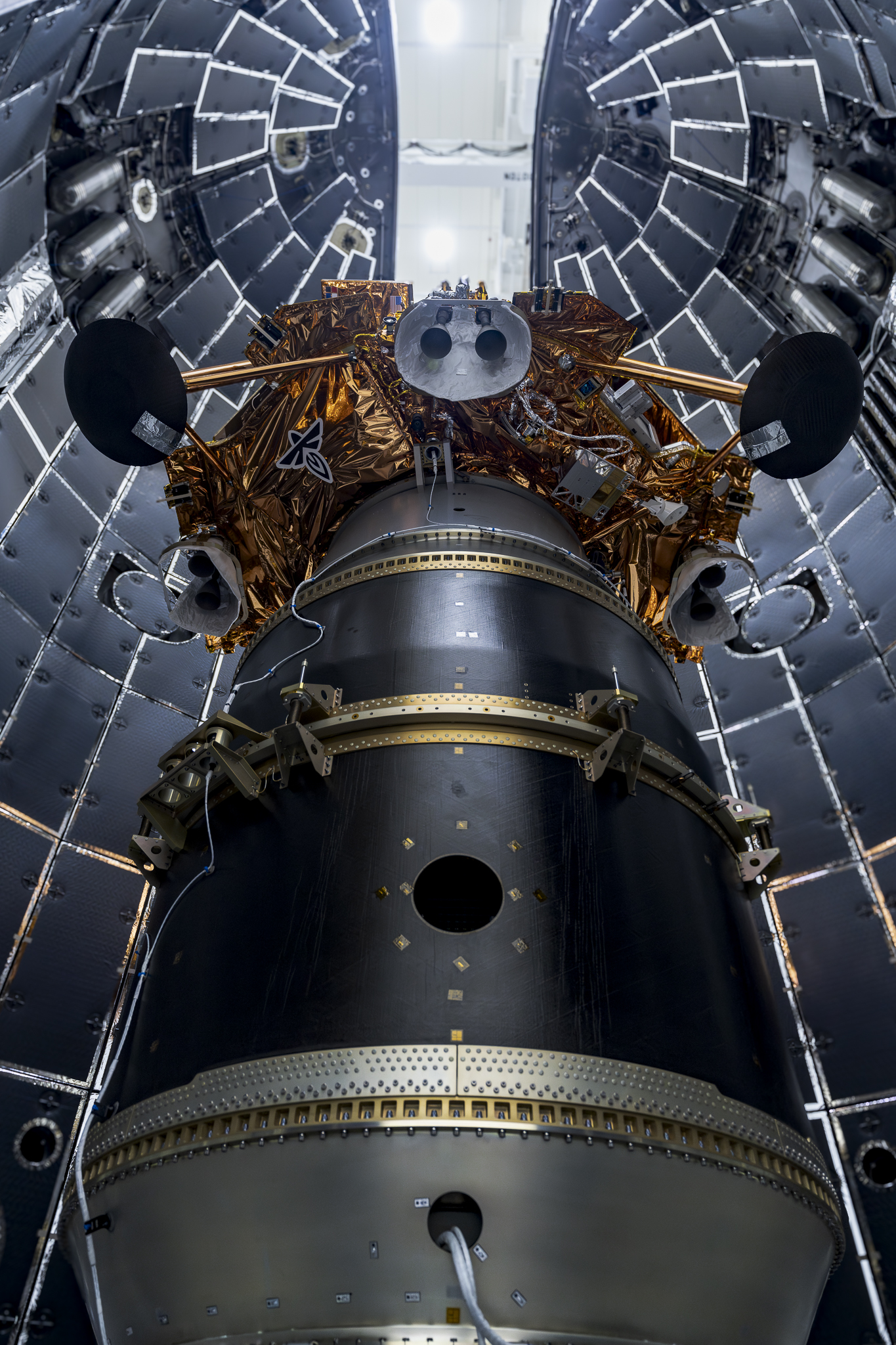
NASA lunar lander campaign is set to be one of the most complicated launch efforts ever undertaken, as scientists race against time to test innovative technologies.
Overview of the NASA lunar lander campaign
The NASA lunar lander campaign represents a pivotal endeavor in the agency’s efforts to return humans to the Moon. This ambitious initiative aims to develop and test new lunar landers that will carry astronauts to the lunar surface as part of the Artemis program.
With the complexities of the launch campaign described as unprecedented, NASA faces numerous challenges in ensuring the safety and reliability of these crucial vehicles. Engineers are tasked with integrating various systems while adhering to tight schedules and stringent safety protocols.
- Testing phases: Multiple tests will be conducted to validate the landers’ capabilities.
- Collaborative efforts: NASA is working alongside commercial partners to expedite development.
- Future missions: Success in this campaign is vital for upcoming lunar explorations.
Through this campaign, NASA strives to redefine human exploration beyond Earth.
Key challenges faced during the launch
The NASA lunar lander campaign is set to face several significant challenges as it moves forward with its ambitious plans. Key issues include:
- Technical Complexity: The integration of multiple systems and technologies makes the lunar lander campaign one of the most intricate endeavors in space exploration.
- Time Constraints: With tight deadlines, engineers must work efficiently to ensure all components function flawlessly before launch.
- Budget Limitations: Financial constraints may impact the pace and scope of development, potentially delaying critical testing phases.
- Coordination Among Teams: Ensuring seamless collaboration between various teams and contractors is vital for the success of the campaign.
- Regulatory Hurdles: Navigating the complex landscape of regulations and compliance can slow down progress.
These challenges underscore the immense pressure on NASA as it embarks on this historic mission.
Innovative technologies in lunar exploration
The NASA lunar lander campaign aims to revolutionize lunar exploration through the development of innovative technologies. These advancements are essential for addressing the complexities associated with landing on the Moon’s surface.
Key technologies being tested include:
- Autonomous landing systems: These systems allow landers to navigate and land safely without extensive ground control input.
- Advanced propulsion systems: New propulsion technologies enhance maneuverability and fuel efficiency during lunar missions.
- Robust communication networks: Enhanced communication capabilities ensure seamless data transmission between lunar landers and mission control.
- Surface mobility innovations: New designs for rovers and landers increase the ability to traverse lunar terrain.
These innovations are critical for the success of the NASA lunar lander campaign, potentially setting the stage for future lunar exploration missions.
Timeline for testing and launch
The timeline for the testing and launch of the NASA lunar lander campaign is ambitious and complex. Key milestones have been set to ensure that all systems are thoroughly evaluated before the mission.
- Initial Testing Phase: Scheduled to begin in early 2024, this phase will focus on hardware and software integration.
- Field Tests: Planned for mid-2024, these tests will simulate lunar conditions to assess lander performance.
- Final Review: A comprehensive review will take place in late 2024, allowing engineers to address any potential issues.
- Launch Window: The targeted launch date is set for early 2025, marking a significant milestone in space exploration.
As NASA prepares for what it calls the “worst launch challenge yet,” each step of the timeline is critical for success.
Future implications for space missions
The NASA lunar lander campaign is poised to set the stage for future space missions beyond the Moon. As the agency navigates unprecedented challenges, the insights gained will inform the design and execution of subsequent exploration efforts.
Several implications are notable:
- Technological advancements: Lessons learned from the lunar lander campaign will drive innovations in spacecraft design and robotics.
- International collaboration: Successful testing can pave the way for joint missions with other space agencies, enhancing global partnerships.
- Resource utilization: The campaign may uncover strategies for using lunar resources, crucial for long-term human presence on the Moon and beyond.
- Public engagement: Increased interest in lunar exploration can inspire the next generation of scientists and engineers.
Ultimately, the outcome of the NASA lunar lander campaign could redefine humanity’s approach to space exploration.
By SpaceX via Openverse