How The Selection Of Incident Commanders Is Done By Organizations
The selection of incident commanders is done by individuals with specialized training and expertise in emergency response. These leaders play a critical role in effectively managing crises and ensuring coordinated efforts among responders. With their strategic decision-making skills and quick response abilities, incident commanders are at the forefront of emergency situations, guiding teams through challenges and ensuring a swift and efficient response. Their selection is a meticulous process that evaluates their qualifications and experience to ensure the best possible outcomes in times of crisis.

The Selection of Incident Commanders is Done by the Heroes Among Us
Introduction
Imagine a world where heroes are not just the ones we see in movies or read about in books. In our everyday lives, heroes walk among us, ready to step up and take charge in times of crisis. These unsung heroes are known as incident commanders, individuals who are responsible for leading emergency response efforts when disaster strikes. In this blog post, we will explore how the selection of incident commanders is done and why they play a crucial role in keeping us safe.
Who are Incident Commanders?
Incident commanders are individuals who are trained to take charge of emergency situations, whether it’s a natural disaster, a fire, a medical emergency, or any other crisis that requires a coordinated response. These brave men and women are often first responders or members of emergency services who have undergone specialized training to handle high-pressure situations with calmness and efficiency.
Training and Qualifications
Becoming an incident commander is no easy task. These individuals undergo rigorous training to ensure they are well-prepared to handle any emergency that comes their way. They learn about incident command systems, emergency response protocols, communication strategies, and how to coordinate with multiple agencies to ensure a smooth response to a crisis.
The Selection Process
The selection of incident commanders is a careful process that involves identifying individuals who have the necessary skills, experience, and temperament to lead in times of crisis. These individuals are often chosen based on their performance in training exercises, their ability to make quick decisions under pressure, and their dedication to serving their communities.
Roles and Responsibilities of Incident Commanders
Once selected, incident commanders have a wide range of responsibilities that they must fulfill during an emergency. These include:
Overall Command
The incident commander is responsible for overseeing the entire emergency response operation. They must make critical decisions, allocate resources, and ensure that all agencies involved are working together towards a common goal.
Communication
Effective communication is key during an emergency. Incident commanders must keep all stakeholders informed of the situation, coordinate response efforts, and ensure that critical information is disseminated quickly and accurately.
Resource Management
From personnel to equipment, incident commanders are in charge of managing resources efficiently to ensure that response efforts are effective. They must prioritize needs, deploy resources where they are most needed, and adapt to changing circumstances on the ground.
Safety and Security
The safety and security of both responders and civilians are of utmost importance. Incident commanders must ensure that measures are in place to protect everyone involved in the emergency response, from setting up perimeters to coordinating evacuations.
Why Incident Commanders are Heroes
Incident commanders are the unsung heroes of emergency response. They put themselves in harm’s way to ensure the safety and well-being of others. Their leadership, courage, and dedication to service make them true role models in our communities.
Quick Thinking and Problem-Solving
In the face of chaos and uncertainty, incident commanders must think on their feet and come up with solutions to complex problems. Their ability to make quick decisions can mean the difference between life and death in an emergency situation.
Leading by Example
Incident commanders lead by example, showing courage and resilience in the face of adversity. Their calm demeanor and confidence inspire confidence in those around them, reassuring both responders and civilians that they are in capable hands.
Community Service
Above all, incident commanders are dedicated public servants who put the needs of their communities above their own. They sacrifice time with their loved ones to ensure that others are safe and cared for during times of crisis.
In conclusion, the selection of incident commanders is a crucial process that ensures our communities are in safe hands when disaster strikes. These unsung heroes play a vital role in coordinating emergency response efforts, ensuring that lives are saved and order is restored. Next time you see an incident commander in action, remember to thank them for their service and dedication to keeping us all safe.
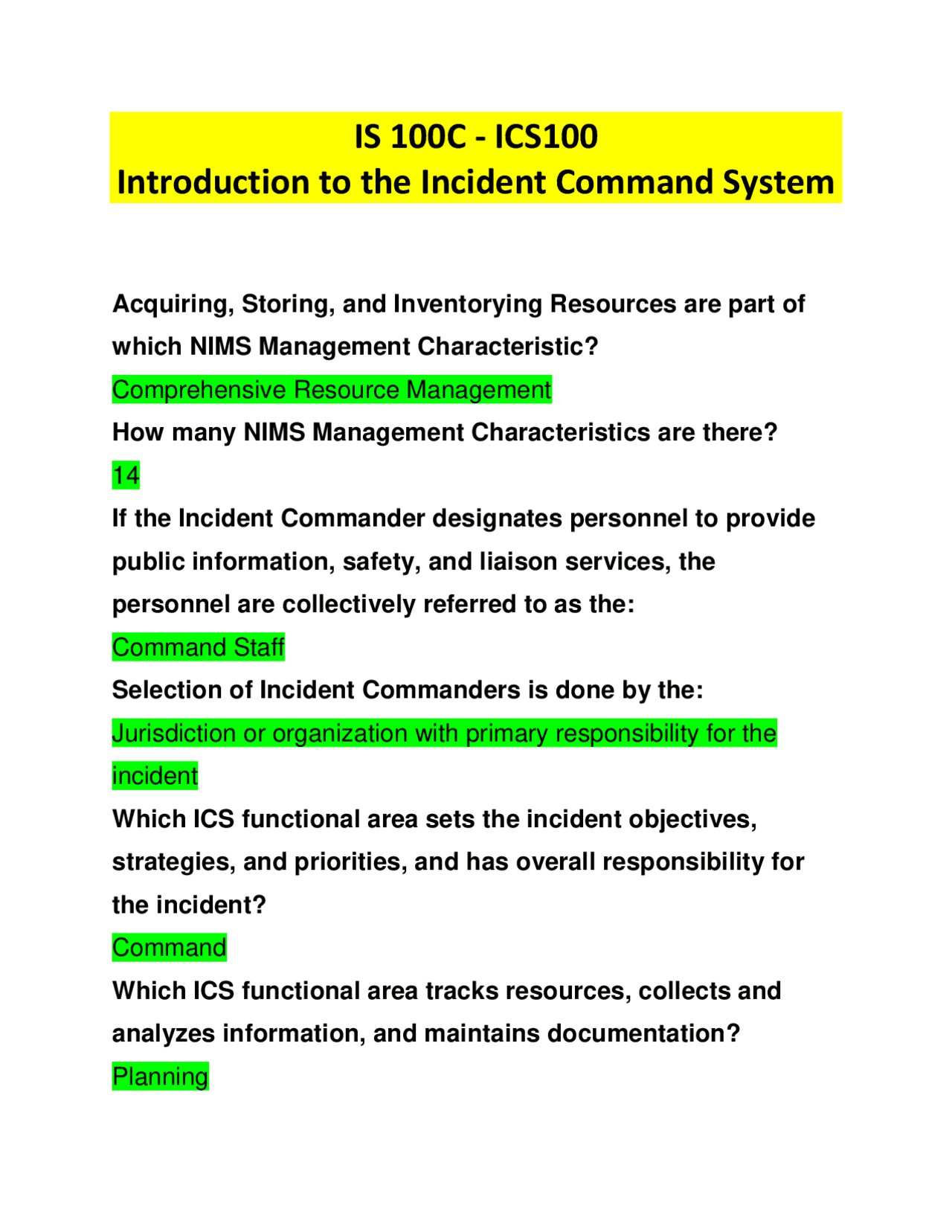
Selection of Incident Commanders is done by the:
Frequently Asked Questions
Who is responsible for selecting incident commanders?
The selection of incident commanders is typically done by the emergency management team or leadership within an organization. These individuals are tasked with choosing the most qualified and capable candidates to lead and coordinate response efforts in the event of an emergency or crisis.
What criteria are considered when selecting incident commanders?
When selecting incident commanders, criteria such as relevant experience, training, communication skills, decision-making abilities, and leadership qualities are often taken into consideration. The goal is to choose individuals who can effectively manage and direct response efforts during an incident.
How can organizations ensure a fair and unbiased selection process for incident commanders?
To ensure a fair and unbiased selection process for incident commanders, organizations can establish clear selection criteria, use objective evaluation methods, involve diverse perspectives in the decision-making process, and provide equal opportunities for all qualified individuals to be considered for the role.
Final Thoughts
In conclusion, the selection of incident commanders is crucial for effective emergency response. The responsibility for choosing these leaders falls on the organization’s management team. They must consider individuals’ experience, qualifications, and decision-making skills when making this critical decision. Ultimately, the selection of incident commanders is done by those in leadership positions who understand the importance of having competent and capable individuals in charge during emergencies.